Why Is It Called Bollywood?
Bollywood is a blend of Bombay and Hollywood, but the name has a stranger history than that. It began with a 1932 joke about a Calcutta suburb, slipped into Indian newspapers in the late 1960s and is still resented by some of the biggest stars it describes.
 By Kirti Kaliraman· 7 min read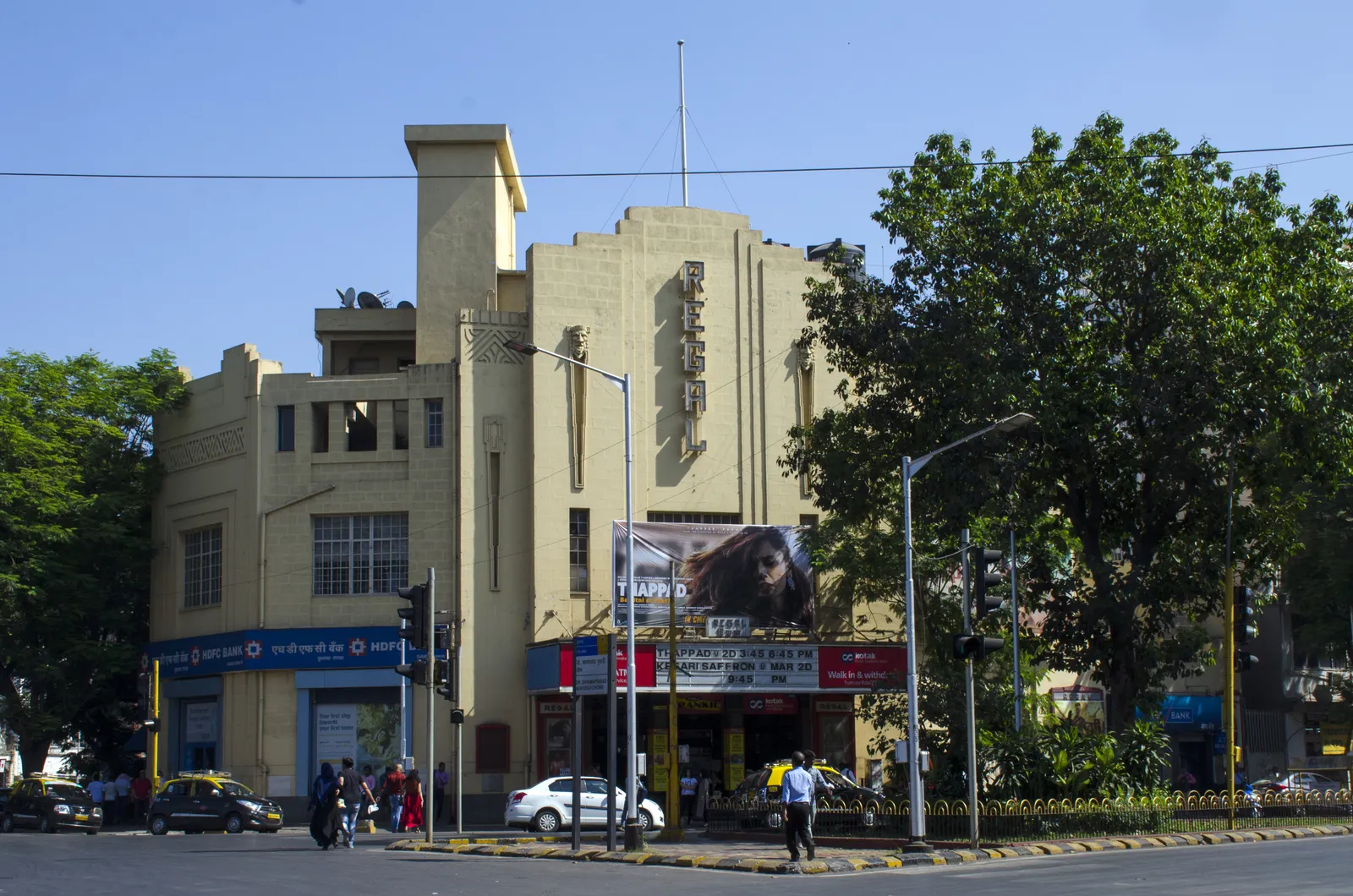
It is called Bollywood because the word blends Bombay, the old name of Mumbai where India's Hindi-language film industry is based, with Hollywood, the American film capital. The pattern came from Calcutta, whose Tollygunge studios were nicknamed "Tollywood" in 1932, and Bollywood followed in Indian newspapers by the late 1960s.
That is the short answer. The longer one involves an American sound engineer, a telegram, a British crime novelist, a dictionary hunt that is still going on, and a debate inside the industry about whether the name is a compliment or an insult.
Tollywood came first
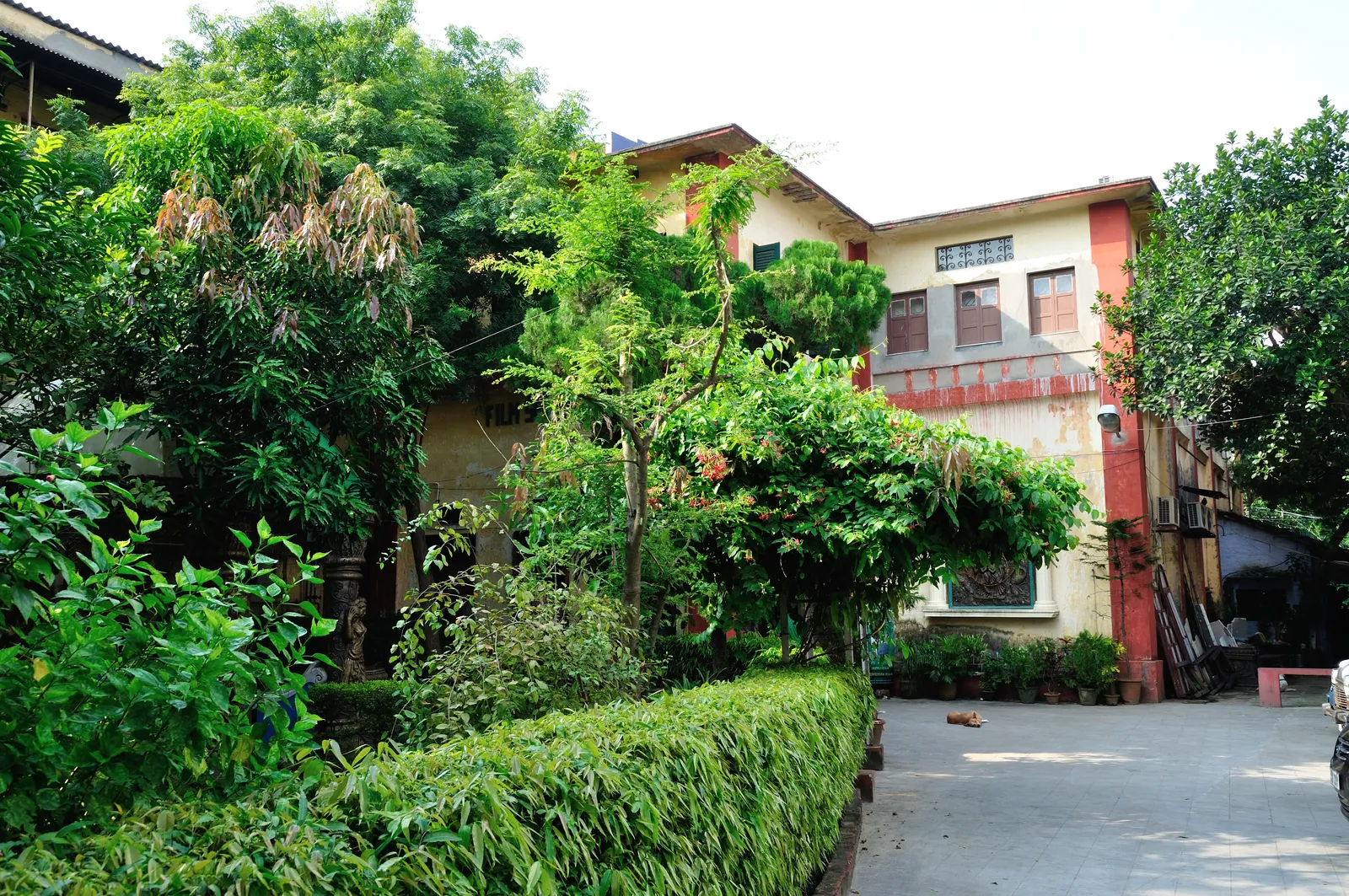
The "-ollywood" habit did not start in Bombay. It started in Tollygunge, a suburb of south Calcutta (now Kolkata) that became the centre of Bengal's film studios in the early sound era.
In March 1932, an American engineer named Wilford E. Deming, who had been working on early sound films in India, wrote an article for the Hollywood trade magazine American Cinematographer. In it he quoted a telegram he received as he left the country: "Tollywood sends best wishes happy new year." He explained that his Calcutta studio was in Tollygunge and that, after considering "Hollygunge", the team had settled on "Tollywood" because the half-rhyme worked so neatly.
The film scholar Madhava Prasad unearthed this reference in a 2003 essay for the journal Seminar, and it is now generally accepted as the earliest of the Hollywood-inspired nicknames. Prasad's argument is simple and persuasive: there is no obvious way to get from "Bombay" straight to "Bollywood", but once "Tollywood" existed, it was easy to swap the first letter for any other film city.
When Bollywood entered print
Nobody has a signed birth certificate for "Bollywood", and that uncertainty has produced plenty of rival origin stories.
When the Oxford English Dictionary added the word to its online edition in 2001, the earliest example its editors could find was H. R. F. Keating's 1976 detective novel Filmi, Filmi, Inspector Ghote, set in the Bombay film world. Even then, the OED's editors were careful to say there was nothing to suggest Keating had actually coined the word, and that the search for older examples would continue.
It did. The OED now dates the word to 1969, citing the Times of India. In May 2025, the Yale quotation researcher Fred Shapiro reported an even earlier example, from the Times of India of 22 December 1968, which grumbles that youthful dreams had been "bought off by Hollywood, Bollywood, or Mollywood". The playful tone is telling: the word clearly began as a light-hearted bit of English-language journalism, not as an official label.
Several people have claimed credit over the years. The lyricist and producer Amit Khanna has said he coined it and has defended it as a valuable brand. Prasad, for his part, suspected the witty young writers of Calcutta's Junior Statesman magazine, who already called Bengali cinema "Tollywood". The honest answer is that the word grew in the English-language press of the late 1960s and 1970s, and no single inventor can be proved.
Bombay became Mumbai, but the name stayed
Bombay had been a film city long before anyone called it Bollywood. Dadasaheb Phalke's Raja Harishchandra, widely regarded as India's first full-length feature film, premiered there on 3 May 1913. India's first talkie, Ardeshir Irani's Alam Ara, opened at the city's Majestic Cinema on 14 March 1931, and once sound arrived, Bombay's studios grew quickly. (Sound also locked films everywhere to a fixed speed, which is why movies are still shot at 24 frames per second.)
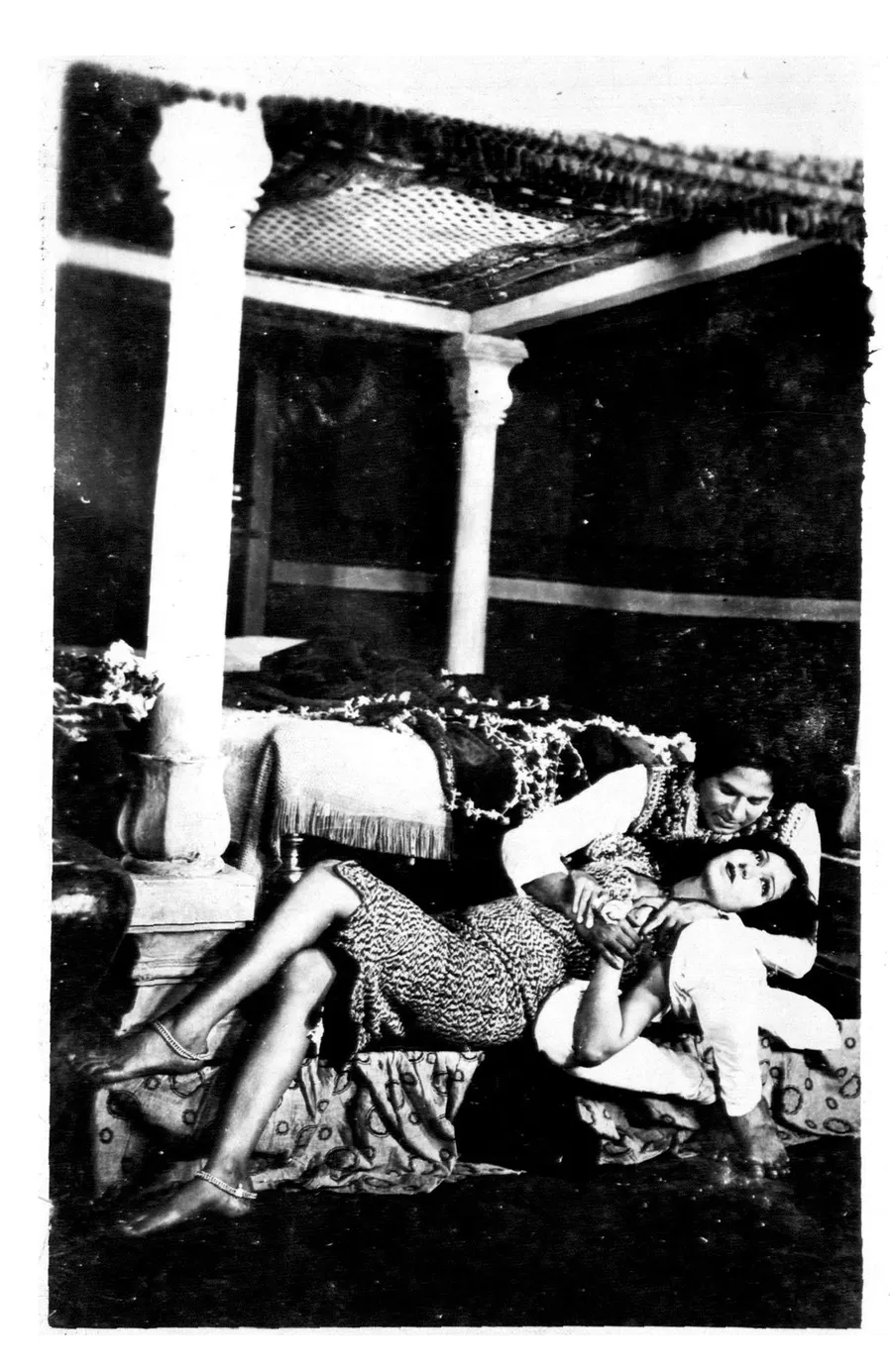
Through the 1930s and 1940s, film talent also moved to Bombay from Calcutta and Lahore, and the city became the main centre of Hindustani-language filmmaking. By the time the nickname appeared, "Bombay cinema" and "Hindi cinema" were already established phrases.
In 1995 the city was officially renamed Mumbai. The industry's nickname did not change with it. Nicknames rarely follow official decisions, and by then Bollywood was known worldwide. Bollywood is now a fossil of the old name, much like the airport code BOM, which is a reminder of why airport codes look so strange.
Why many in the industry dislike the word
For a word used millions of times a day, Bollywood has surprisingly few fans among the people it describes.
Amitabh Bachchan is the best-known critic. At the Cannes Film Festival in 2013, the year Indian cinema celebrated its centenary, he told reporters he would rather say "the Indian film industry" because it "has its own identity". In a foreword to a book with the word in its title, he went further: "I abhor the title of this book," he wrote, adding that Indian cinema is "an independent creative industry and not a derivative."
That is the heart of the objection. A name built on Hollywood implies that Indian cinema is a copy, when its history is almost as long, its output is far larger, and its style, with songs woven into the storytelling, is entirely its own. Prasad noted in 2003 that Ajay Devgn had also publicly disapproved of the term.
Supporters see it differently. To them, Bollywood is simply a brand, short, catchy and recognised from London to Lagos, and fighting it is a losing battle. Both sides have a point, and the industry itself keeps using the word in award shows, marketing and film titles even as some of its biggest names avoid it.
Bollywood is not the whole of Indian cinema
One of the most common mistakes is to use Bollywood to mean every film made in India. Strictly, it refers only to the Hindi-language industry centred in Mumbai. India makes films in dozens of languages, and several of those industries are giants in their own right.
The numbers make the point. According to the Ormax Box Office Report 2025, India's total gross box office reached a record ₹13,395 crore in 2025, the first year ever to cross ₹13,000 crore. Hindi cinema had its best year too, grossing ₹5,504 crore, but that was 41 percent of the total. The rest came from other languages and imported films:
| Language | 2025 gross box office | Share |
|---|---|---|
| Hindi | ₹5,504 crore | 41% |
| Telugu | ₹2,377 crore | 18% |
| Tamil | ₹1,805 crore | 13% |
| International films | ₹1,403 crore | 10% |
| Malayalam | ₹1,164 crore | 9% |
| Kannada | ₹528 crore | 4% |
Source: Ormax Box Office Report 2025.
The same report found that 93 percent of Hindi box office in 2025 came from original Hindi films, with dubbed South Indian releases falling to just 7 percent, down from 31 percent in 2024. Dhurandhar, at ₹950 crore gross, became the highest-grossing Hindi film of all time.
Each of the other industries has its own nickname, almost all built on the same Tollywood template. Kollywood is Tamil cinema, from the Kodambakkam area of Chennai. Tollywood now usually means Telugu cinema in Hyderabad as well as Bengali cinema in Kolkata. Kannada cinema is Sandalwood, and Malayalam cinema is often called Mollywood. Across the border, Lahore's industry became Lollywood.
A template the world copied
The "-wood" formula has since spread far beyond South Asia. Nigeria's huge home-video industry became Nollywood, a story told in how Nigeria built a film giant, and there are dozens of others, from Ghana's Ghollywood to Uganda's Wakaliwood.
Bollywood remains the most famous of them all. It is in the Oxford dictionaries, it names festivals and dance classes around the world, and for millions of people in the diaspora it stands for songs, family dramas and Friday releases. Whether you love it or, like Amitabh Bachchan, would rather not hear it, the word has outgrown its origins as a newspaper pun.
The short version
Bollywood is a blend of Bombay and Hollywood. It was modelled on Tollywood, a 1932 nickname for the studios of Tollygunge in Calcutta, and it was in print in the Times of India by 1968. The city became Mumbai in 1995, but the nickname stuck. It refers only to Hindi-language cinema, which earned 41 percent of India's record ₹13,395 crore box office in 2025, and some of the industry's biggest stars still prefer to call it, simply, Hindi cinema.