How Did Nigeria's Nollywood Become So Big?
Born from VHS tapes and street markets in the early 1990s, Nigeria's film industry now releases more titles each year than almost anywhere on Earth, and streaming has carried its stories to a global audience.
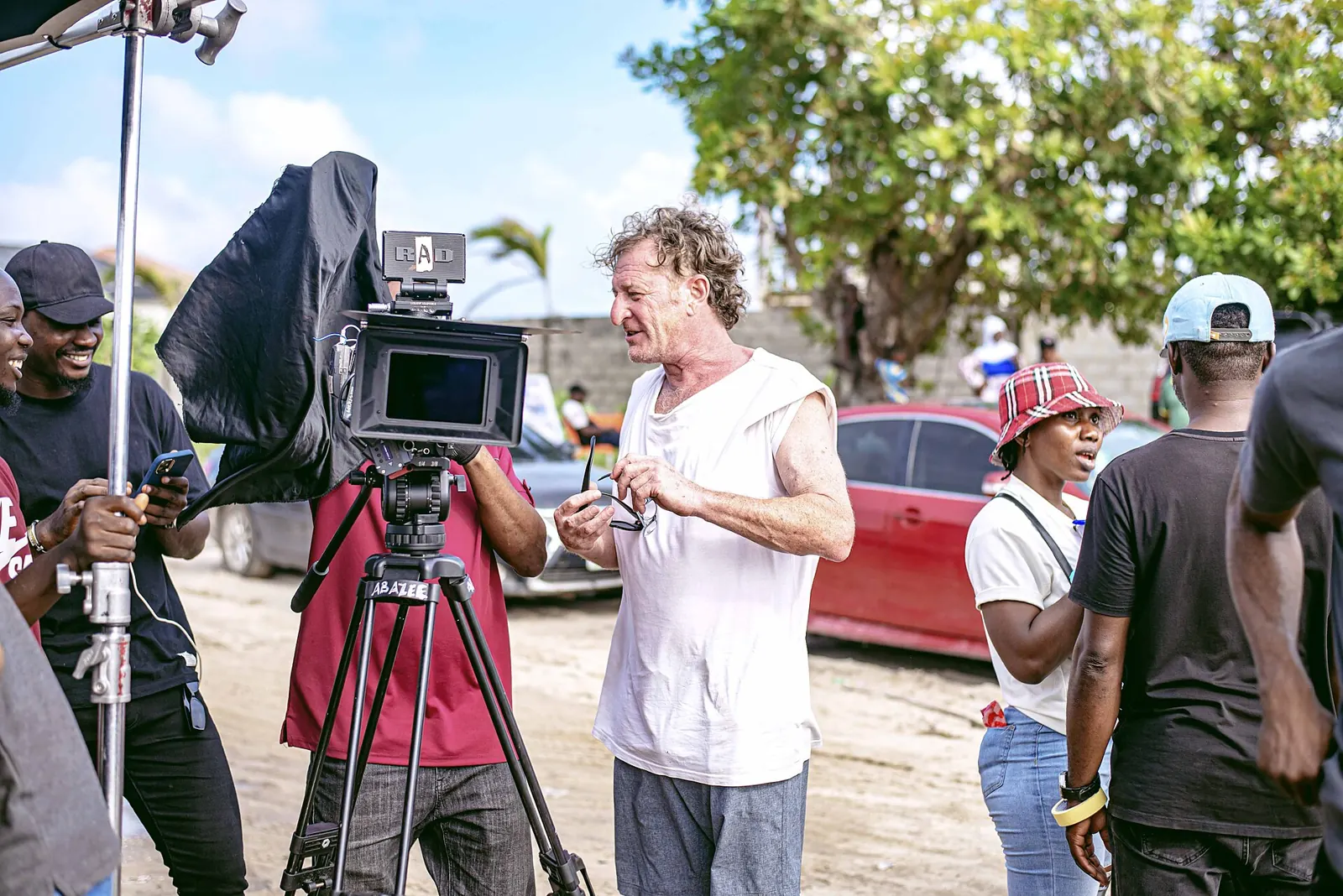
Nollywood grew huge by making films fast and cheaply for home video: after the 1992 hit Living in Bondage, producers in Lagos and Onitsha sold low-budget dramas on VHS, and later VCD and DVD, straight to audiences who had few cinemas. Today it releases well over a thousand feature films a year by most estimates, and its stars and stories now reach global streaming audiences.
When people list the world's great film industries, they usually start with Hollywood and Bollywood. By sheer volume of output, Nigeria's Nollywood belongs in that conversation. It produces well over a thousand feature films a year by most estimates, and it built that scale with almost no cinemas, little state funding and a business model that was invented on the streets of Lagos.
Born on videotape
Nigeria had a lively cinema and travelling-theatre tradition in the 1970s, with Yoruba filmmakers such as Hubert Ogunde and Ola Balogun drawing big crowds. But economic crisis in the 1980s, rising crime and the decline of cinema halls pushed audiences indoors.
The breakthrough came in 1992 with Living in Bondage, a thriller about a man who sacrifices his wife to a secret cult in pursuit of wealth. Produced by Kenneth Nnebue, an electronics trader in Onitsha with a surplus of blank VHS cassettes, the film was shot cheaply on video and sold directly to home viewers. It reportedly sold hundreds of thousands of copies and proved there was a huge appetite for local stories told in local settings.
A new model was born: shoot fast and cheap on video, then sell tapes and later VCDs and DVDs through dense distribution networks centred on markets such as Lagos's Idumota and Onitsha's Upper Iweka. Films were often completed in a few weeks and reached shops soon after.
Stories audiences recognised
Nollywood's success was never only about price. Its films spoke directly to the lives, anxieties and humour of their viewers in ways imported films could not:
- Wealth and morality: get-rich-quick schemes, corruption and their consequences.
- Family drama: in-laws, inheritance, polygamy, rivalries between wives and siblings.
- The supernatural: witchcraft, juju and spiritual warfare, often framed through Christian or traditional belief.
- Village versus city: the tension between tradition and modern Lagos life.
- Comedy: broad, fast and hugely popular, launching stars who became household names.
Films are made in English as well as Yoruba, Hausa and Igbo, reflecting Nigeria's diversity. The Hausa-language industry centred on Kano is often called Kannywood.
Conquering a continent
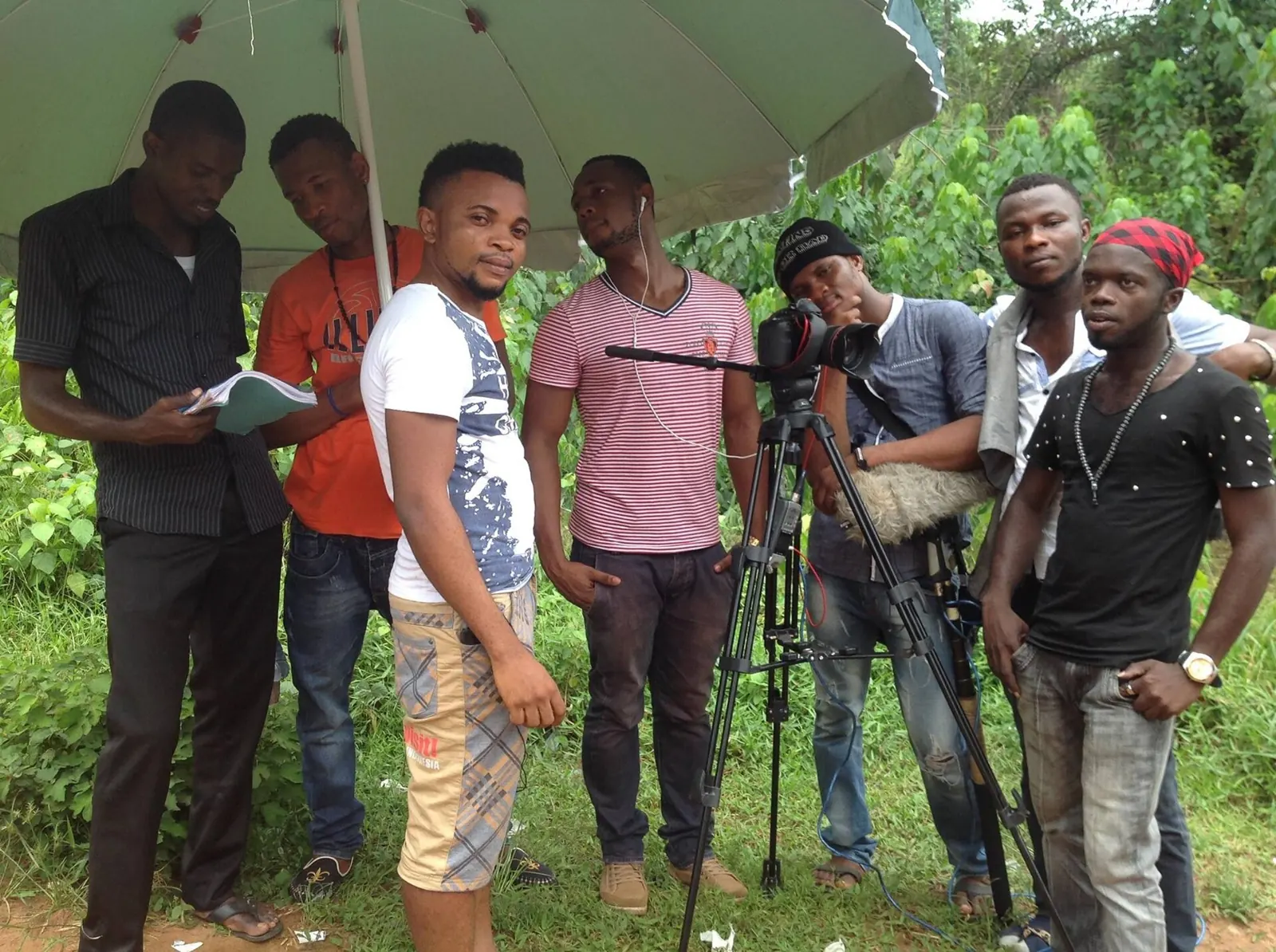
Nigerian films spread rapidly across Africa and the diaspora. In markets, bus stations and living rooms from Ghana to Kenya, and in African communities in London, Houston and Johannesburg, Nollywood DVDs became a fixture. Satellite channels such as Africa Magic, launched in 2003, pushed the films further.
Stars such as Genevieve Nnaji, Richard Mofe-Damijo, Omotola Jalade-Ekeinde and Pete Edochie became famous far beyond Nigeria's borders. Nollywood also became a vehicle of soft power, shaping how millions of Africans saw Nigerian fashion, slang and food.
Piracy and reinvention
The same cheap formats that built Nollywood also made it vulnerable. Piracy was rampant, and producers often lost much of their revenue to illegal copies within days of release. Quality varied widely, and critics complained of rushed scripts and recycled plots.
From the late 2000s, a movement often called New Nollywood pushed for higher budgets, better production values and a return to cinemas, helped by the opening of modern multiplexes in Nigerian cities. Kunle Afolayan's The Figurine (2009) became a landmark of this shift. Later, The Wedding Party (2016), a comedy directed by Kemi Adetiba, became one of the highest-grossing films in Nigerian cinema history at the time.
The streaming era
Streaming has been the latest transformation. Global platforms began licensing and commissioning Nigerian content. Genevieve Nnaji's Lionheart (2018) became the first Netflix original film from Nigeria, and it was selected as Nigeria's first submission for the Academy Award for Best International Feature Film, though it was disqualified because most of its dialogue was in English.
Netflix has since released Nigerian series and films such as Blood Sisters (2022), and Anikulapo (2022), Kunle Afolayan's Yoruba-language epic, found a large international audience. Living in Bondage itself received a sequel, Living in Bondage: Breaking Free (2019), a sign of how far the industry had travelled from its VHS origins.
Local platforms and YouTube channels have also flourished, giving producers new ways to reach audiences directly.
How it compares
| Industry | Base | Known for |
|---|---|---|
| Hollywood | United States | Highest box-office revenues, global blockbusters |
| Bollywood and wider Indian cinema | India | Among the world's largest output by number of films, many languages |
| Nollywood | Nigeria | Huge volume, fast production, direct-to-audience distribution |
Comparisons of output depend heavily on how films are counted, and Nollywood's informal economy makes precise figures difficult. But UNESCO's often-cited 2009 survey ranked Nigeria's output second only to India's by number of feature films produced, ahead of the United States.
Why Nollywood matters
Nollywood is proof that a world-class creative industry can grow from the bottom up. It did not wait for studios, subsidies or film schools. Entrepreneurs, actors and market traders built it with the tools they had, and audiences rewarded them because the stories were theirs.
Today, the industry is a major employer in Nigeria and a growing cultural export. As production values rise and streaming opens doors worldwide, Nollywood's next chapter looks set to be its most global yet.
Great storytelling traditions often begin outside official institutions; a thousand years ago, The Tale of Genji was written for a small circle of court readers. Like denim, Nollywood shows how something made for local everyday use can become a global export.