Why Are Movies Shot at 24 Frames per Second?
Almost every film you have ever seen in a cinema ran at 24 frames per second. The number was fixed almost a century ago, when talking pictures arrived, and it has survived digital cameras, streaming and every attempt to replace it.
 By Kirti Kaliraman· 7 min read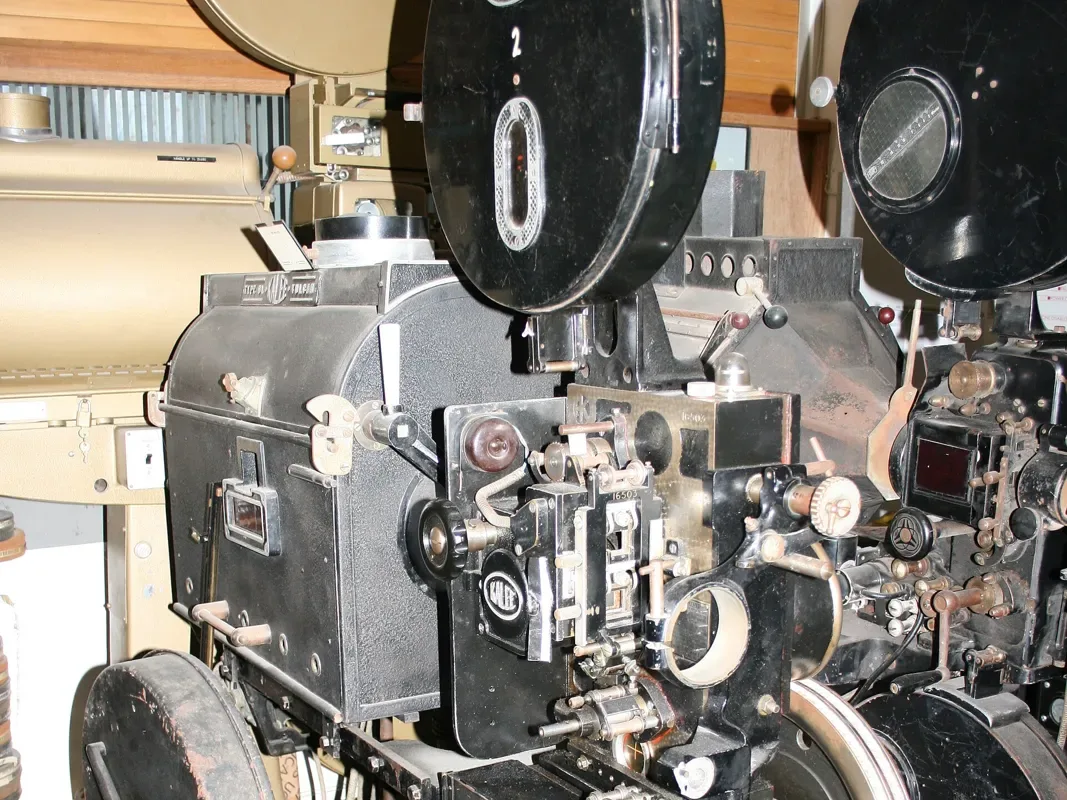
Movies are shot at 24 frames per second because that was the speed the film industry agreed on when sound arrived in the late 1920s: synchronised sound needed every camera and projector to run at one fixed rate, and 24 was the slowest, cheapest speed that still gave clear audio and convincing motion. Once cinemas worldwide had installed equipment built for 24, the number stuck, and it is still the default for feature films today.
That is the short answer. The longer one takes in hand-cranked cameras, the quirks of human vision, the price of film stock and a century of filmmakers who tried, and mostly failed, to move audiences to something faster.
Before sound, there was no standard at all
The earliest motion pictures had no fixed frame rate. Cameras in the 1890s and 1900s were usually cranked by hand, and the operator's arm set the speed. Most silent films were shot somewhere around 16 to 18 frames per second, drifting faster through the 1910s and 1920s as audiences and studios wanted smoother images.
Projection was just as flexible. Cinema owners often ran films faster than they had been shot, partly to fit in more screenings a day, which is one reason silent comedies can look so frantic when played back carelessly today. Thomas Edison is often quoted as saying that something like 46 frames per second was needed to spare viewers' eyes, but nobody was willing to burn film at that rate.
India's cinema began in exactly this hand-cranked world. Dadasaheb Phalke's Raja Harishchandra, released in Bombay on 3 May 1913 and widely regarded as India's first full-length feature film, was shot and shown with the same variable, operator-controlled speeds as silent films in Paris or Los Angeles.
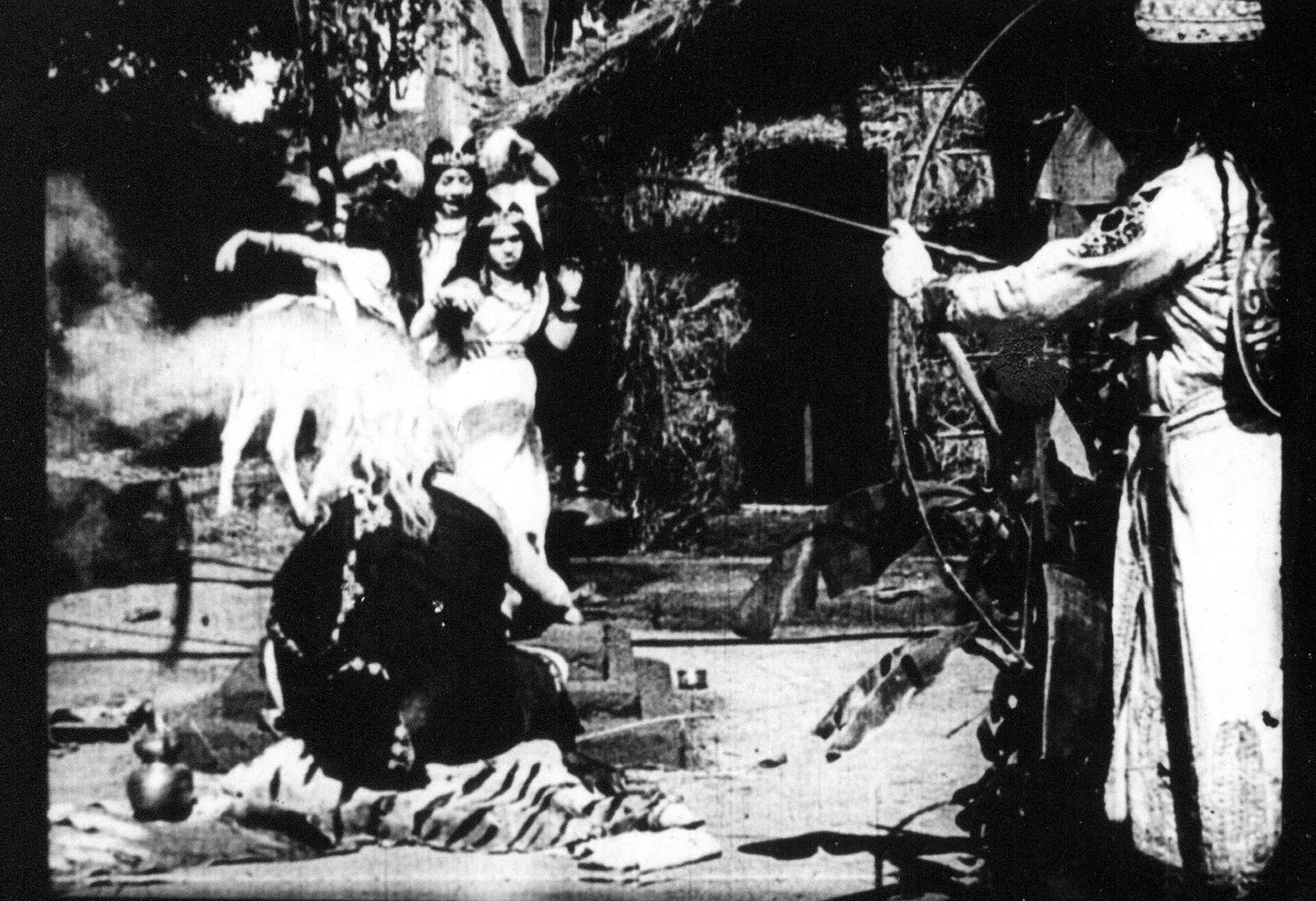
A silent film could tolerate all this. If a scene ran a little fast or slow, the picture still made sense, and the live pianist or orchestra simply followed along.
Sound forced a decision
Sound changed everything, because the ear is far less forgiving than the eye. If a projector speeds up, recorded voices rise in pitch and music goes out of tune; if two machines drift apart, lips stop matching words. For talking pictures to work, the camera, the sound recorder and every projector in every cinema had to run at precisely the same speed.
Warner Bros. brought synchronised sound to a mass audience with its Vitaphone system, first with Don Juan (1926), which had a recorded score and effects, and then with The Jazz Singer (1927), famous for its spoken and sung sequences. Vitaphone ran at 24 frames per second, and as rival sound-on-film systems spread through Hollywood and Europe, 24 became the shared industry speed by the end of the decade.
Why 24 rather than 20 or 30? The choice was a practical compromise:
- Cost. Film stock was expensive, and every extra frame per second meant more celluloid for every print shipped to every cinema. 24 was close to the speeds studios were already using, so it did not add much cost.
- Sound quality. Soundtracks printed alongside the pictures needed the film to move fast enough past the sound head to reproduce speech clearly. Slower silent-era speeds were not good enough; 24 was.
- Easy arithmetic. At 24 frames per second, standard 35mm film runs at 90 feet a minute. The number divides neatly by 2, 3, 4, 6, 8 and 12, which made life simpler for editors, animators and projectionists counting footage.
Those numbers add up quickly. A two-hour feature at 24 frames per second contains 172,800 individual frames, and on 35mm film that is about 10,800 feet, more than three kilometres of celluloid for a single print.
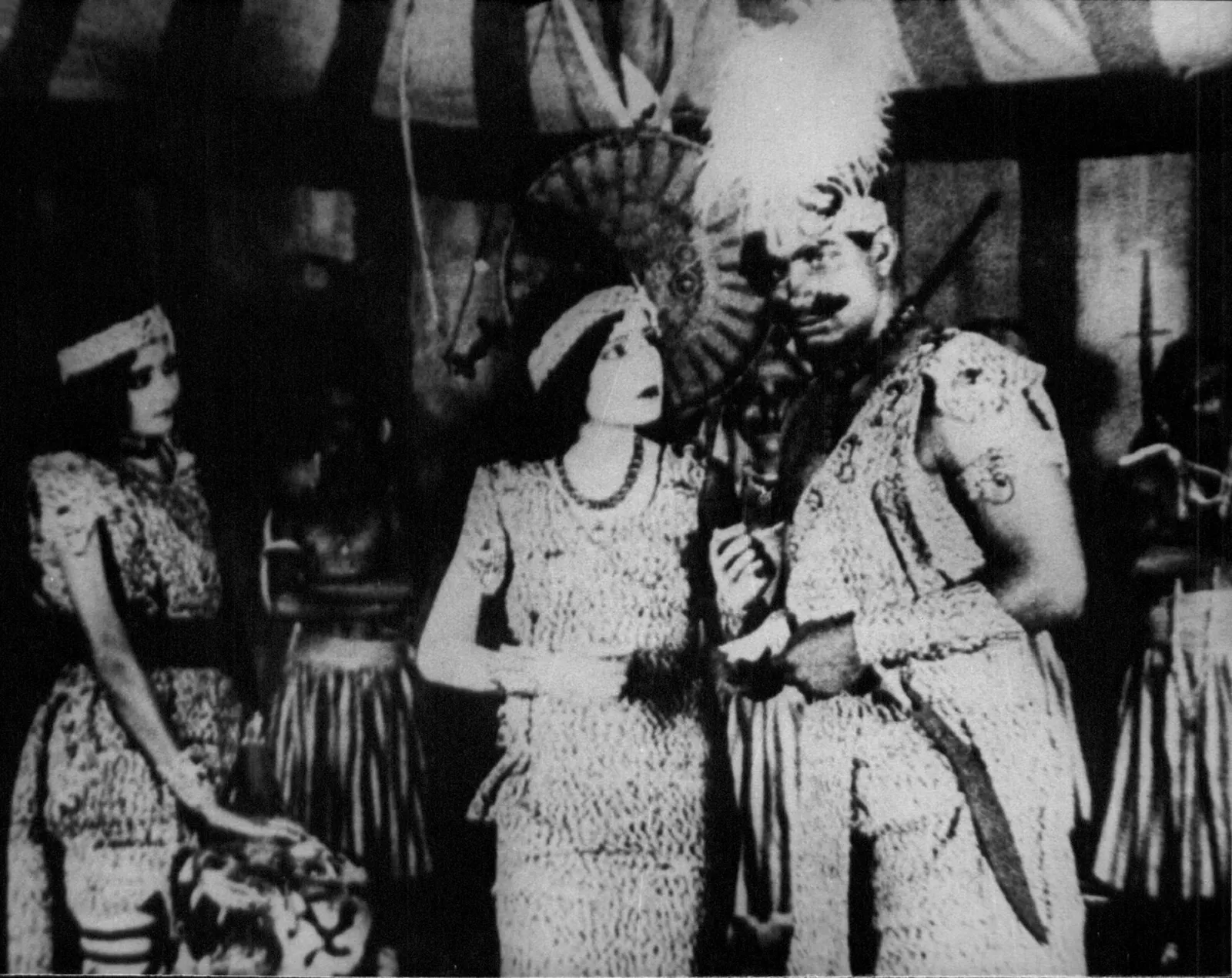
India crossed the same threshold a few years later. Alam Ara, directed by Ardeshir Irani, opened at the Majestic Cinema in Bombay on 14 March 1931 as the country's first talkie, and Indian studios rapidly re-equipped for sound. From then on, Indian films ran at the same 24 frames per second as films everywhere else, which made it easy to import projectors and export prints.
Why 24 frames look like motion
A film is really a series of still photographs, so why does it look like continuous movement? Our visual system is very good at filling gaps. When slightly different images arrive quickly enough, the brain reads them as one moving scene, an effect psychologists call apparent motion. Many people start perceiving smooth movement at around 10 to 12 images per second, which is why classic hand-drawn animation was often drawn "on twos", with each drawing held for two frames.
Motion is only half the problem, though. The other is flicker. A projector has to block the light while it pulls the next frame into place, and at 24 flashes per second the screen would visibly pulse. The fix was clever: projector shutters have two or three blades, so each frame is flashed onto the screen two or three times. Viewers actually see 48 or 72 flashes per second, fast enough for the flicker to disappear, while the film itself still moves at 24.
The same eye that notices flicker also creates other illusions on screen; light and perception play tricks well beyond cinema, as the story of why the sky looks blue shows.
The "film look" is partly motion blur
Part of the reason 24 frames still feel right is how each frame is exposed. Cinematographers traditionally use what is called a 180-degree shutter: each frame is exposed for half of its time slot, which at 24 frames per second means about 1/48 of a second. That leaves a small, natural smear of motion blur on anything moving, softening the jump between frames.
Audiences have spent a century associating that slightly dreamy movement with cinema. Video shot at higher rates, with less blur, tends to look sharper and more immediate, which reads as "news" or "live sport" rather than "movie". That is the reason many viewers dislike the motion-smoothing setting on modern televisions, which invents extra frames between the real ones. The effect is so widely disliked that in 2018 Tom Cruise and director Christopher McQuarrie recorded a public message asking viewers to switch it off.
Television did its own thing
Television did not follow cinema's number, because early TV sets synchronised to the frequency of mains electricity. In countries with 50 Hz power, including India, most of Europe, Africa and Australia, the analogue standard was PAL (or SECAM) at 25 frames per second. North America and Japan, with 60 Hz grids, used NTSC at about 30 (strictly 29.97) frames per second.
That created a small but real distortion. When a 24-frame film is shown on PAL television, broadcasters simply play it about 4 percent faster. A two-hour film ends roughly five minutes early, and voices and music rise slightly in pitch. Generations of Indian viewers who watched films on Doordarshan saw them this way without noticing. In NTSC countries, engineers instead used a technique called 3:2 pulldown, repeating some frames to stretch 24 into 30.
Streaming has largely removed the problem, because modern screens and services can play a film at its native 24 frames. The same platforms that carried Nigeria's Nollywood to global audiences now deliver most films exactly as they were shot.
Attempts to go faster
Filmmakers have repeatedly tried to raise the rate. Peter Jackson shot The Hobbit: An Unexpected Journey (2012) at 48 frames per second, and Ang Lee went further, shooting Billy Lynn's Long Halftime Walk (2016) and Gemini Man (2019) at 120. James Cameron used 48 frames per second for many scenes in Avatar: The Way of Water (2022), switching rates within the film.
The results were technically impressive but divisive. Many critics and audiences said high frame rates made expensive sets look like television studios, exposing make-up and props that 24 frames had gently disguised. Exhibitors also needed upgraded projectors and servers, and many cinemas showed the films at 24 anyway.
The digital cinema specifications used worldwide support 24 and 48 frames per second, and almost every film is still mastered at 24. Even video games, which routinely run at 60 frames per second or more, use 24 frames for cinematic cutscenes when they want to feel like a movie.
A century-old compromise that still works
Few technical standards survive a hundred years, but 24 frames per second has outlasted nitrate film, Technicolor, VHS and the move to digital cameras. It survived because it was good enough on every front: cheap enough for studios, smooth enough for the eye, steady enough for sound, and now so familiar that it has become part of what a film is supposed to feel like.
Storytelling forms often carry habits from the technology that first shaped them, from the court manuscripts behind The Tale of Genji to the two-hour feature. The next time you watch a film, whether in a multiplex in Mumbai or on a phone on a train, you are watching about 24 photographs a second, a rate set in the sound studios of the 1920s, still doing its job.