Why Do Indian Movies Have an Interval?
The mid-film interval in Indian cinema is not a glitch. It grew from theatre and reel changes, then stuck because long song-filled films, single-screen economics and multiplex snacks all reward a pause, and writers still build stories around it.
 By Kirti Kaliraman· 6 min read

Indian movies have an interval because the industry still builds long, song-filled films around a mid-point pause that audiences expect, and because theatres earn heavily from food, drink and ads in those ten to fifteen minutes. The break began as a practical need (reel changes, cooling projectors, habits borrowed from stage drama) and stayed as a commercial and storytelling convention after digital cinema removed the technical excuse.
That is the short answer. The longer one runs from company dramas and nitrate reels to Hollywood roadshows, single-screen snack sellers, multiplex balance sheets and the odd film that tries to play straight through.
From stage dramas and reel changes
The interval did not invent itself for Bollywood. It arrived with older entertainment forms. In Tamil cinema, as the film historian S. Theodore Baskaran has argued on Upperstall, early films borrowed the rhythm of company dramas: plays that ran for hours, needed costume and set changes, and gave performers a rest between acts. When those stories moved onto film, the mid-show break moved with them.
Projection technology reinforced the habit. A standard 35mm feature was shipped as a stack of reels. Many early halls ran a single projector, so the show stopped while the operator swapped reels and let the lamp house cool. The interval was the audience-facing version of that technical break, and a small economy grew around it: chai, beedis, soda, song books, trailers and slide ads.
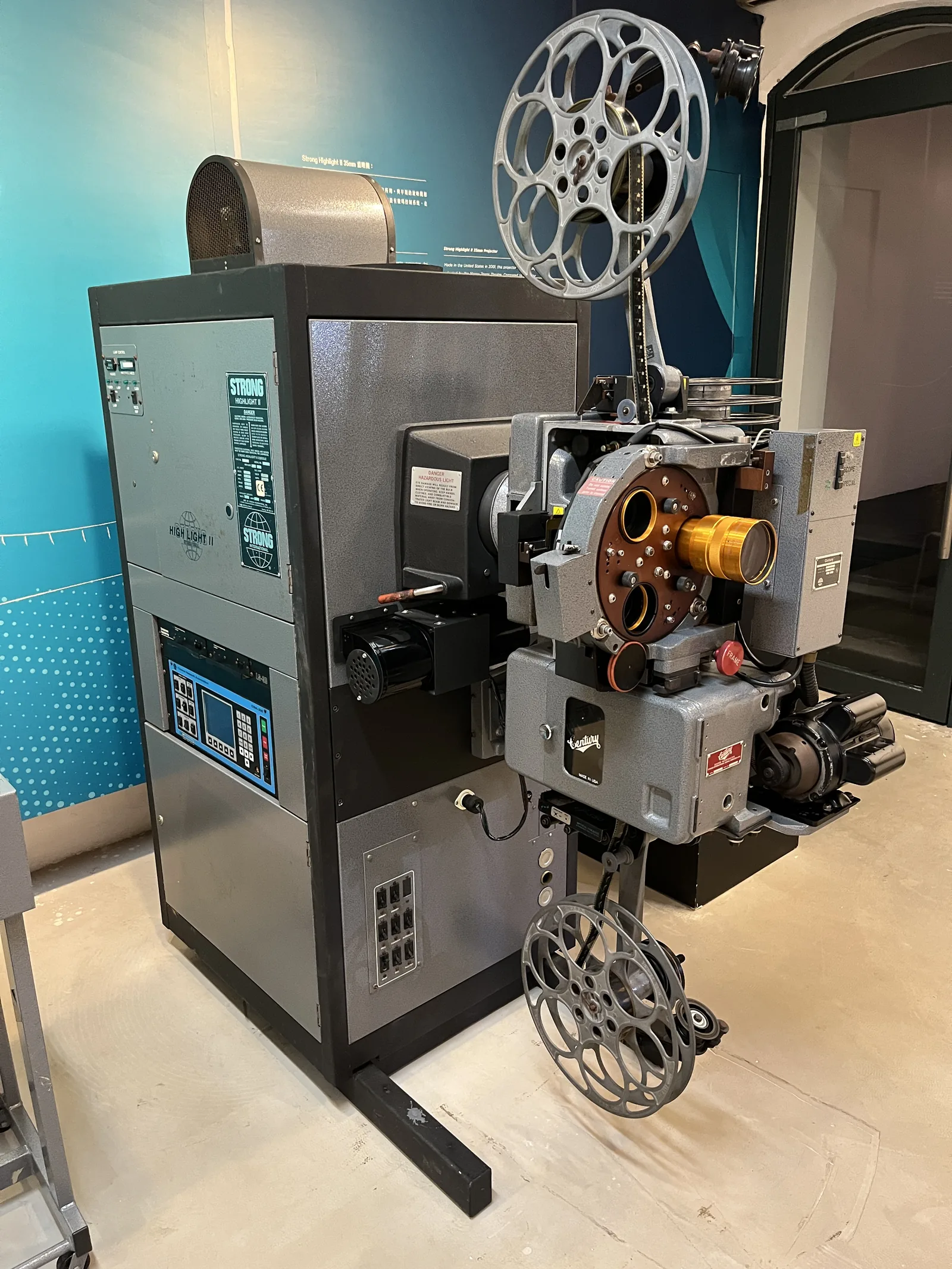
Sound fixed film speed at 24 frames per second, but it did not shorten Indian runtimes. Songs, comic interludes and multi-plot family dramas kept features well past two hours, so a toilet break and a snack run still made sense even after projection got smoother.
Hollywood had intermissions too, then dropped them
India did not invent the idea of splitting a film into two "acts". For decades, Hollywood's prestige roadshow releases mimicked live theatre: reserved seats, souvenir programmes, overtures, and a formal intermission between halves. Epics such as Gone with the Wind (1939) and later widescreen spectacles were presented that way, as the overview of roadshow theatrical releases records.
That format faded in the United States from the late 1960s and 1970s. Multiplexes chased more shows per day, blockbuster wide releases replaced the slow city-by-city tour, and continuous projection (then digital servers) removed the reel-change pause. By the time most American features settled around two hours, the mid-film blackout had largely disappeared from ordinary screenings.
India kept the break for the opposite set of incentives.
Why India held on
Several forces stacked on top of each other.
Long runtimes and songs. Mainstream Hindi, Tamil, Telugu and other Indian films routinely run two and a half to three hours. Songs are not extras; they are narrative chapters. Sitting without a stretch through that length is harder than sitting through a lean Hollywood thriller, and audiences came to treat the interval as part of the night out.
Single-screen economics. For generations, neighbourhood theatres lived on ticket sales plus whatever the lobby and aisle vendors sold when the lights came up. Extending the break by a few minutes meant more cups of tea and more packets of snacks. The film scholar's point on Upperstall still lands: a commercial world grew out of the pause.
Multiplex food and beverage. When mall cinemas arrived, the interval became even more valuable. Ticket revenue is shared with distributors and taxed; popcorn and cola margins stay with the exhibitor. India's largest chain, PVR INOX, reported in its Business Responsibility and Sustainability Report for FY 2024–25 that sale of food and beverages accounted for 30.9 percent of turnover, against 52.5 percent from motion-picture exhibition. The same filing lists 351 cinemas with 1,734 screens in India. Its Q4 and full-year FY 2024–25 results put annual food-and-beverage sales at ₹18,270 million (₹1,827 crore). Those figures explain why exhibitors fight to keep a captive queue at the counter mid-film.
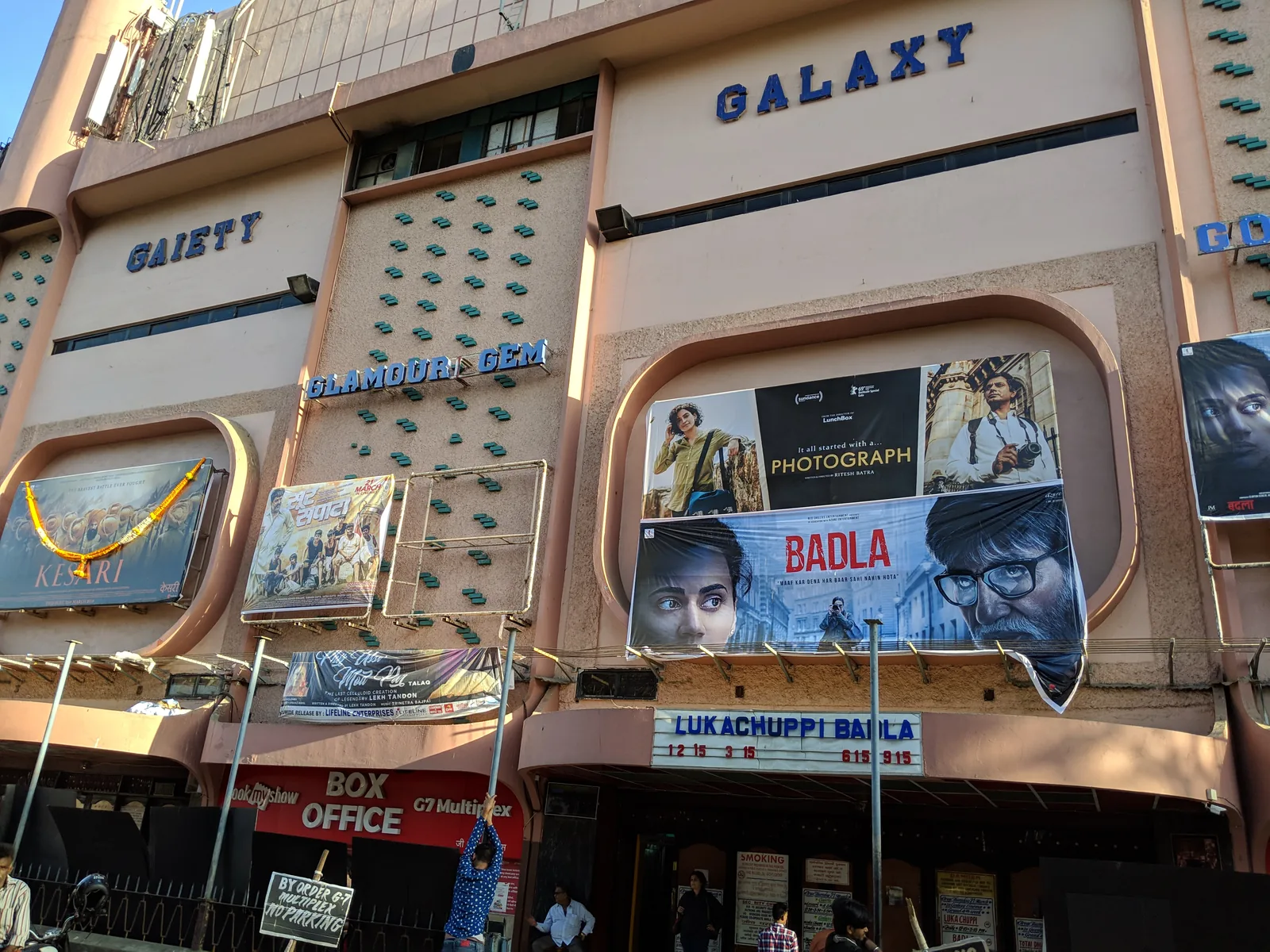
The screen base that depends on those habits is still thin by global standards. An EY report on theatrical exhibition in India puts the country's screen count at 9,927 in 2024, only a modest rise from 9,527 in 2019. Variety, summarising the annual FICCI–EY media and entertainment report, cites the same 9,927 figure and a 2 percent expansion. In a market that crowded for footfalls, every interval snack sale matters.
Audience expectation. By the time digital projectors made continuous play easy, viewers already associated a good theatrical evening with a mid-point stretch. Akkshay Rathie, an exhibitor and director of Ashirwad Theatres, told IndieWire that food and beverage sales account for almost 30 to 40 percent of a cinema's revenue, and that "the audience demands it, and the exhibitors depend on it." Writers and directors grew up with the same grammar.
The "interval block" as storytelling
Because the break is certain, Indian screenplays often treat it as a structural hinge rather than an interruption. The first half stacks introductions, romance, comedy and songs; the pre-interval sequence raises a crisis, a revelation or a cliffhanger; the second half pays it off. Filmmakers and writers interviewed by The Hindu describe writing "with the interval in mind". The fade to black is a beat in the script, not an accident at the projection booth.
That is why Hollywood films released in India often feel oddly cut: the print was not written for a break, so a theatre manager or distributor picks a quiet moment, and the lights come up mid-scene. Indian films, by contrast, usually announce the interval with music, a title card and a deliberate peak.
Films that dropped it, OTT, and cuts abroad
A minority of Indian films have tried to skip the break. Titles often cited in reporting include Dhobi Ghat (2010), Delhi Belly (2011) and Trapped (2017): shorter, denser stories that suffer if the tension resets for popcorn. Even then, some screenings still inserted an unplanned pause, to the annoyance of filmmakers who wanted continuous immersion.
Streaming changes the spectator's control. On Netflix, Amazon Prime Video or Disney+ Hotstar, you can pause whenever you like, so the theatrical interval is irrelevant. Direct-to-OTT releases and binge culture pull storytelling toward continuous arcs, much as Nollywood found new shapes once home video and then streaming replaced cinema-only habits. Theatrical India, however, still sells a shared night out, and the interval remains part of that product.
Abroad, the reverse edit is common. Western distributors and exhibitors often remove the interval from Indian films so the show matches local continuous-play norms. Diaspora audiences who grew up with the break sometimes miss it; first-time viewers abroad may never know it was there.
A habit that outlived its original job
Digital cinema killed the technical reason for stopping midway. What remains is a tangle of long runtimes, song-driven structures, exhibitor margins and audience muscle memory. India's box office is still huge: Ormax Media's 2024 box-office report recorded 88.3 crore admissions and an average ticket price of ₹134, even as footfalls dipped 6 percent year on year. As long as families treat a three-hour film as an outing with snacks, and as long as multiplex balance sheets lean on F&B, the lights will keep coming up in the middle.
The interval is not a flaw in Indian cinema. It is one of the ways Indian cinema decided what a night at the movies should feel like, and it has proved stubborn enough to survive the technology that once required it.