Where Does Pashmina Come From?
True pashmina begins as the winter undercoat of Changthangi goats on Ladakh's high Changthang plateau, then travels to Kashmir for hand-spinning and weaving. Here is how the fibre, the shawl trade, the GI label and the shahtoosh ban fit together.
 By Kirti Kaliraman· 6 min read
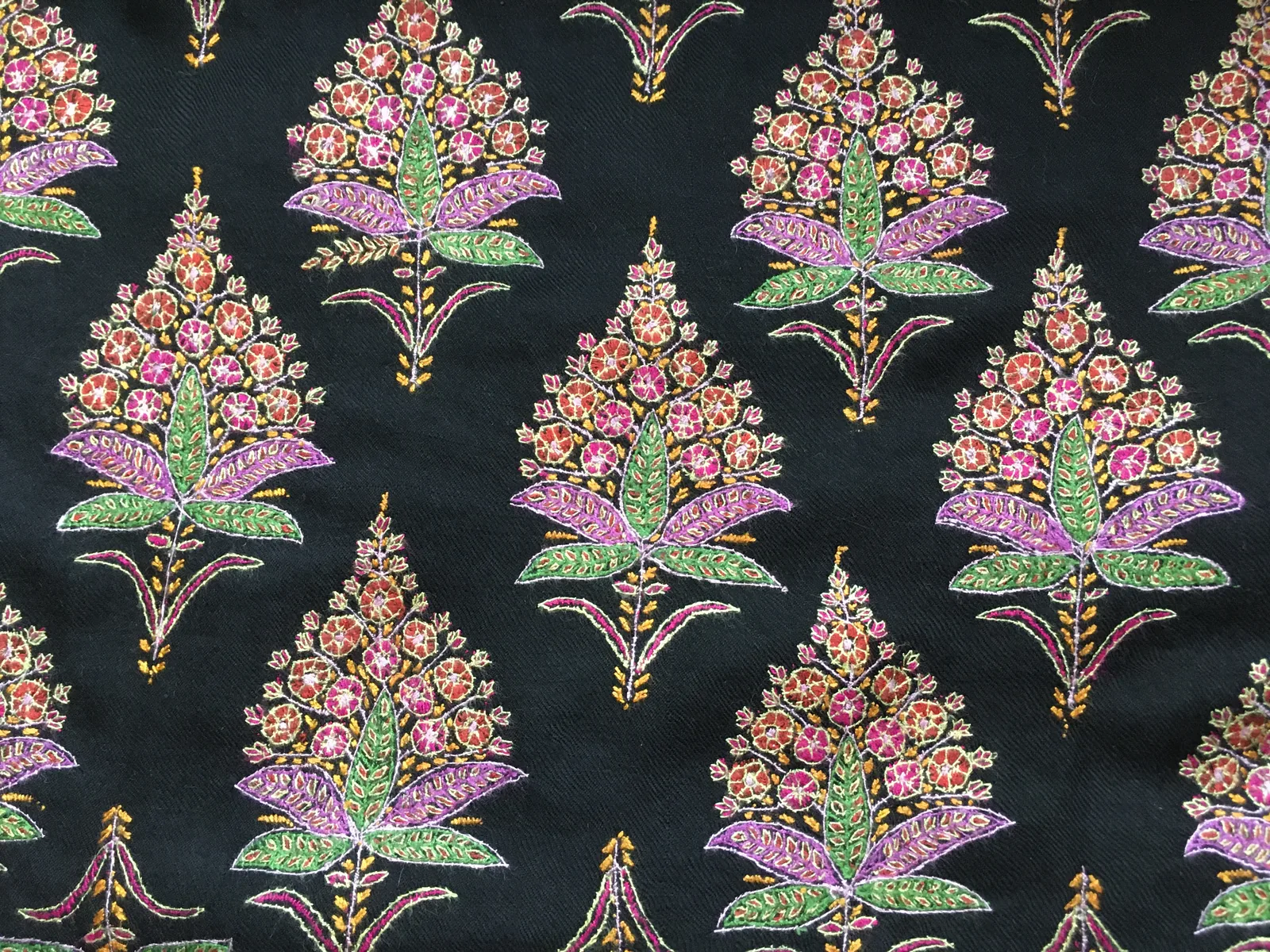
Pashmina comes from the fine winter undercoat of the Changthangi (or Changra) goat, raised mainly by Changpa herders on the cold Changthang plateau of Ladakh, and from the Kashmir Valley workshops that dehair, hand-spin and hand-weave that fibre into shawls. The English word cashmere is simply an older spelling of Kashmir, the market that made the cloth famous; the Persian-derived pashm means wool, and pashmina is the cloth of that wool.
So the short answer is a mountain goat and a valley craft: the animal grows the fibre, Kashmir turns it into fabric, and centuries of court demand, European fashion and modern labelling have decided what the world may call "pashmina."
The goat that grows the fibre
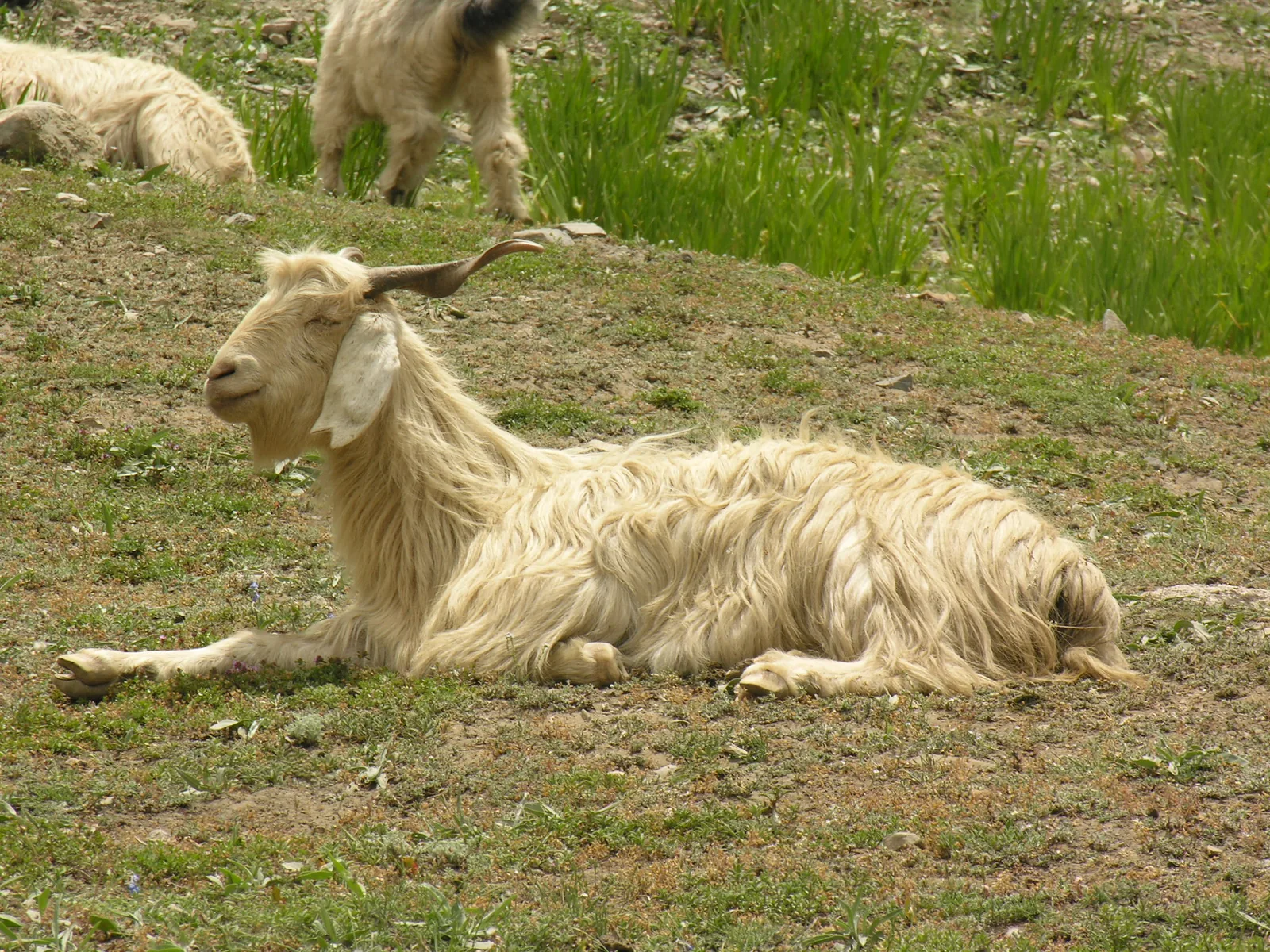
Pashmina is not sheep fleece and not ordinary goat hair. Changthangi goats live above about 4,000 metres on a plateau where winters fall well below freezing. They grow a soft undercoat beneath coarse guard hair; herders comb that undercoat out in spring as the animals moult. Only the fine down is spun.
A field study in the Indian Journal of Animal Sciences recorded average pashmina production of about 249 grams per animal, with fine-fibre diameter around 12 microns and fine-fibre length of roughly 4 centimetres. A review of pashmina fibre production and characteristics in the Indian Journal of Fibre & Textile Research puts usable down in a similar band (about 10 to 13 microns) and notes that raw fibre still carries thick guard hair that must be dehaired before spinning. Each goat yields little; every stage after combing is skilled hand work.
From plateau to Kashmir loom
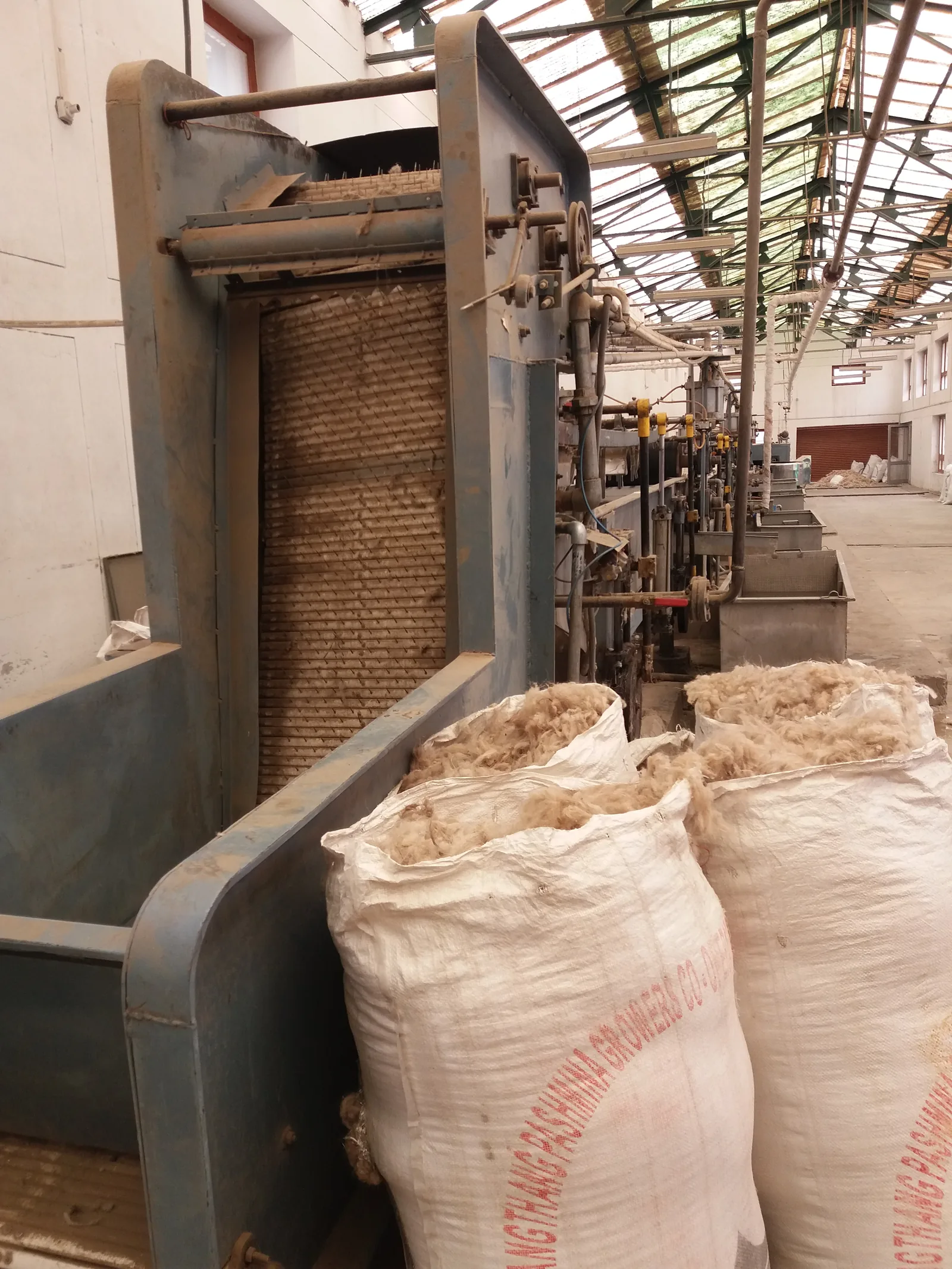
Raw pashm has long moved from the high pastures into the Kashmir Valley. Dehairing separates guard hair from down. The clean fibre is hand-spun on a traditional wheel into yarn fine enough for shawl cloth, then woven on handlooms. Two classic finishing languages still define Kashmir work: kani twill-tapestry weaving with many small bobbins, and amli (or amlikar) embroidery on a plain woven ground. Both are slow, and both depend on yarn machines struggle to fake without losing the hand of the cloth.
The fibre is Himalayan; the brand the world recognised was Kashmiri skill. Related Indian cloth traditions, from the draped sari to hand-spun khadi, rest on the same idea that the maker's hand is part of the product.
Courts, Mughals and the Kashmir shawl trade
Kashmir was making export-quality textiles long before European shops stocked "cashmere." By the late sixteenth century, fine twill-woven shoulder cloths in pashmina were already identified with the valley. Mughal patronage made them a court luxury. The Ain-i-Akbari, Abu'l-Fazl's chronicle of Akbar's reign (Blochmann's translation is on Internet Archive), records the emperor's interest in woollen shawls, richer dyes and new lengths, and notes manufacture spreading into workshops at Lahore. Shawls moved as gifts, robes of honour and marks of rank.
Design followed the courts. Early floral buta borders on Kashmir shawls tightened over the eighteenth and early nineteenth centuries into the curved cone the West later named paisley. A concise scholarly overview is The Kashmir Shawl: A Historical Study. The goat made the warmth; the loom made the prestige.
The European craze, and the Paisley copy
From the late eighteenth century, East India Company officers and travellers carried Kashmir shawls to Britain. In France the fashion surged in the Napoleonic years; a genuine long shawl became a portable status object. Demand outran supply. Weavers in Norwich and Edinburgh copied the look first; the Scottish town of Paisley then flooded the market with Jacquard-woven imitations at a fraction of Kashmir prices. English speakers started calling the teardrop motif itself "paisley," even when the cloth was mill-made and the fibre was not Changthangi down.
The boom faded after about 1870 as silhouettes changed, war disrupted continental markets and famine hit the valley. The motif survived on scarves and prints; the century when a Kashmir shawl could define a European wardrobe had closed.
Shahtoosh is not pashmina
Shoppers still confuse two words. Pashmina (and commercial cashmere) comes from domestic goats. Shahtoosh is woven from the underwool of the Tibetan antelope, or chiru (Pantholops hodgsonii). That wool cannot be harvested by combing a live herd the way Changpa herders comb goats; the historical trade depended on killing the animal, and chiru numbers crashed under poaching.
The species sits on CITES Appendix I, which bans commercial international trade in the animal and its parts, and it is assessed as Near Threatened on the IUCN Red List. In India the chiru is protected under the Wildlife (Protection) Act, 1972; manufacture and trade in shahtoosh are illegal. An April 2026 Press Information Bureau release reported a Delhi court conviction in a long-running shahtoosh export case: "king of wools" claims are a wildlife crime, not a luxury upgrade from pashmina.
The GI tag, fakes and the Srinagar lab
Because "pashmina" is used loosely on machine blends worldwide, India protected the regional product. Kashmir Pashmina is a registered Geographical Indication (application no. 46, certificate no. 97), filed in December 2005 and recorded on the Intellectual Property Office's GI Registry details page. The Craft Development Institute in Srinagar, on its GI crafts pages, states the specification: fabric of 100% pashm from the underfleece of the mountain goat, fibre fineness up to 16 microns, hand-spun yarn and hand-woven cloth by artisans of Jammu and Kashmir.
To enforce that mark, CDI set up a Pashmina Testing and Quality Certification Centre in 2013. Authorised producers can have goods tested and labelled; the Institute's quality manual for Kashmir Pashmina GI sets the benchmarks for fibre, yarn and weave. A bargain "pashmina" without testing, a GI mark or a traceable Srinagar workshop is usually a blend or a powerloom copy.
What the trade numbers still show
Handicraft export statistics do not isolate every pashmina shawl, but they show the official artware shawl lane remains small. The Export Promotion Council for Handicrafts, using DGCI&S data, reports the category "Shawls as Artwares" at about ₹2.66 crore in 2024-25 and ₹4.35 crore in 2025-26. Those totals are tiny beside furniture or embroidered goods: pashmina's prestige was never about tonnage. The value sits in scarcity, hand skill and trust.
Changthangi herds, Kashmiri spinners and weavers, and a GI office in Srinagar can only defend a fibre the market still recognises. Buy the label that has been through the lab. Leave shahtoosh alone. And when a shawl feels impossibly light for its warmth, you are holding the answer: it came from a goat on a frozen plateau, and from hands in Kashmir that still know what to do with the down.