How Much Sugar Is Too Much a Day?
Keep free sugars under 10% of daily energy, and ideally under 5%, about 25 g or six teaspoons. For Indians that means watching chai, mithai, soft drinks and packaged foods as carefully as the sugar bowl.
 By Kirti Kaliraman· 7 min read
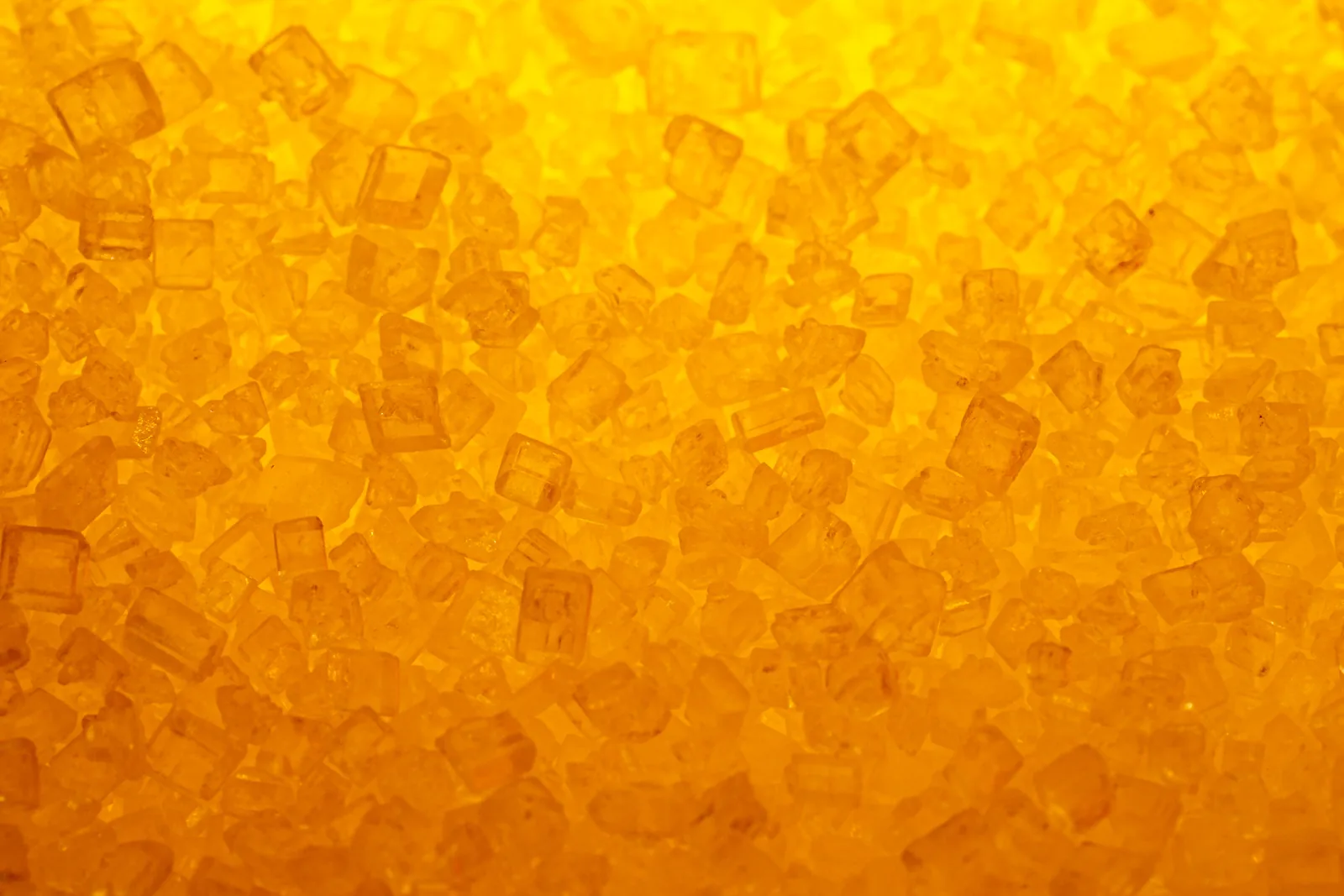
For most healthy adults, too much sugar starts above about 10% of daily energy from free sugars, and the World Health Organization suggests aiming lower still: under 5%, roughly 25 grams or six teaspoons a day on a 2,000 kcal diet. India's Dietary Guidelines for Indians 2024 align with that tighter band, telling adults to keep sugar under 5% of energy and roughly 20 g to 25 g a day, with no added sugar for children under two.
That ceiling is about free sugars, not the sugars locked inside whole fruit or plain milk. In an Indian day it is easy to clear six teaspoons without noticing, because much of the load sits in chai, mithai, soft drinks and packaged snacks rather than in the kitchen sugar tin alone.
What "free sugars" actually means
The WHO guideline on sugars intake for adults and children (also summarised in WHO's healthy diet fact sheet) draws a sharp line. Free sugars are the monosaccharides and disaccharides added by a manufacturer, cook or consumer, plus sugars naturally present in honey, syrups, fruit juices and fruit juice concentrates. Sugars inside intact fruit, vegetables and unsweetened milk are not counted the same way, because fibre, water and the food matrix change how the body handles them.
So a mango eaten whole is not the same target as mango nectar. Jaggery and honey still count as free sugars when stirred into food or drink. WHO's strong recommendation is to keep free sugars below 10% of total energy. On about 2,000 kcal that is near 50 g, or about 12 teaspoons. Its conditional recommendation, for extra benefit (especially lifelong dental caries risk), is below 5%, about 25 g or six teaspoons. WHO put the same numbers in plain language when it called on countries to cut sugars intake in 2015.
What Indian guidelines say
ICMR-NIN's Dietary Guidelines for Indians 2024 treat sugar as a discretionary calorie. They advise adults to keep sugar under 5% of total energy, list a practical band of about 20 g to 25 g a day, note that My Plate models may allow roughly 25 g to 30 g only if cereal calories are cut to compensate, and say children under two should get no added sugar. The same document urges people to avoid foods and beverages with added sugars and to minimise foods high in fat, sugar and salt (HFSS) and ultra-processed foods.
That is stricter than WHO's 10% floor and matches WHO's preferred 5% direction. The same logic that asks how much protein you need in a day also asks what sugar crowds out once protein, fibre and micronutrients are covered.
Why the number matters in India
India's metabolic disease burden makes sugar limits more than a Western diet debate. The nationally representative ICMR-INDIAB study published in The Lancet Diabetes & Endocrinology in 2023 estimated a weighted adult diabetes prevalence of 11.4% and prediabetes of 15.3%, projecting about 101 million people with diabetes and 136 million with prediabetes in 2021. Urban rates were higher than rural ones, but rural prevalence was already far from rare.
Sugar is not the only driver. Refined cereals, low activity, abdominal obesity and genetics all matter. Free sugars still matter because they add energy without nutrients, raise dental caries risk, and often arrive in drinks that do not leave people full. When soft drinks and packaged juices displace water, you gain sugar while losing the cleanest route to daily fluid.
National availability numbers show how large the sugar stream is. The Economic Survey's statistical appendix puts India's per capita sugar availability at 21.2 kg in 2023 to 24 (sugar season releases for domestic use), or about 58 g a day if spread evenly (Table 1.21). Availability is not measured free sugar intake, and much sugar goes into commercial food and catering rather than the home jar, but the order of magnitude sits above WHO's ideal 25 g band before honey, juices and other free sugars are even counted.
Where the teaspoons hide
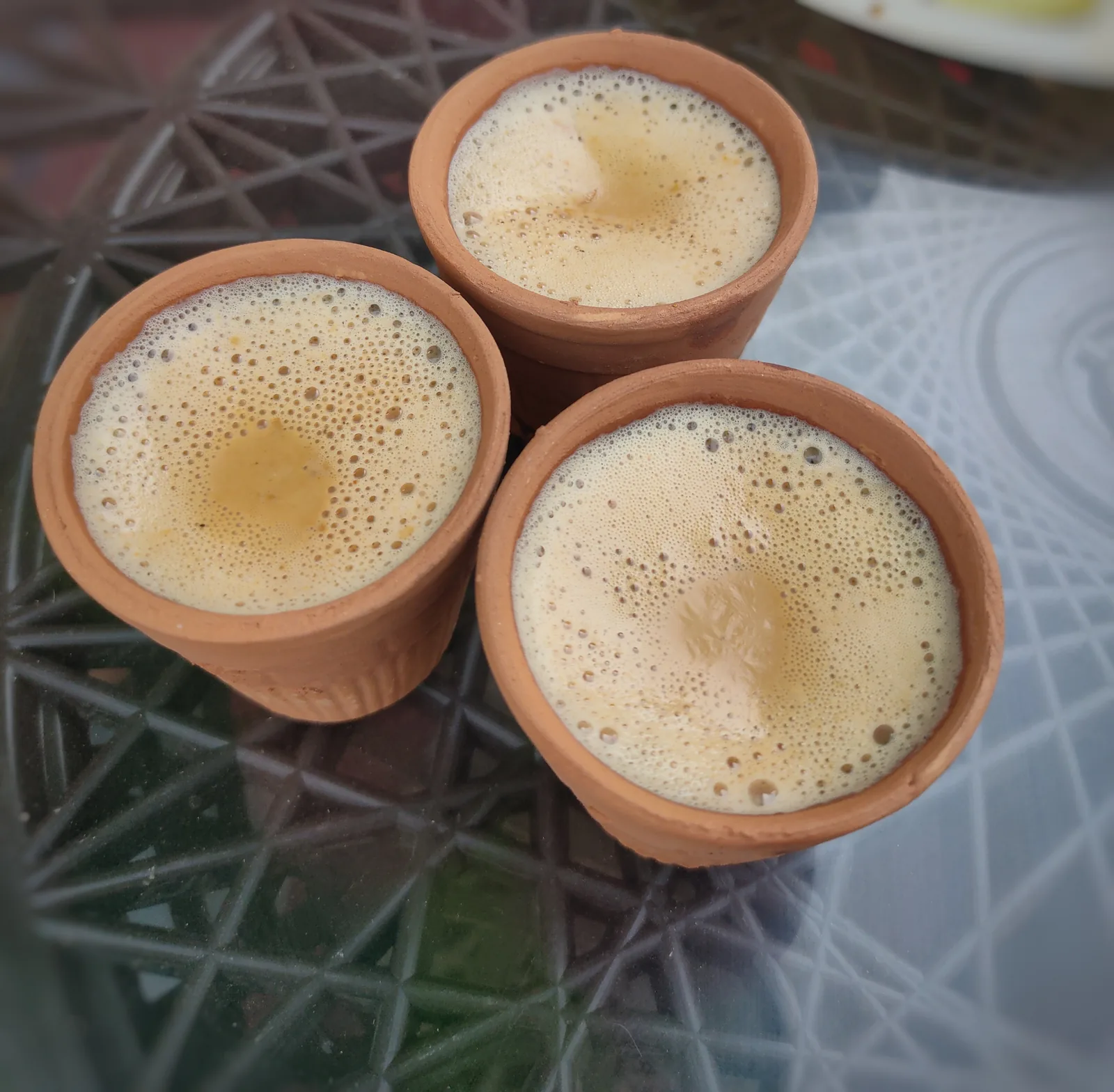
Indian sweetness is social as much as culinary. A roadside or kitchen cup of milky chai often carries one or two teaspoons of sugar; three or four cups a day can spend most of a 25 g budget before lunch. Festival and guest hospitality still revolve around mithai. Soft drinks, sweetened packaged juices, biscuits, flavoured milks and beverage mixes add more on labels many shoppers never read.
A rough teaspoon arithmetic helps. One level teaspoon of table sugar is about 4 g. Six teaspoons are about 24 g. A 300 ml cola-style soft drink commonly carries on the order of 30 g to 35 g of sugars, already past the ideal daily band in a single bottle. Labels vary by brand and serving size, which is why the useful habit is to read grams of total sugars per serve and ask whether those sugars are free sugars from syrups and concentrates.
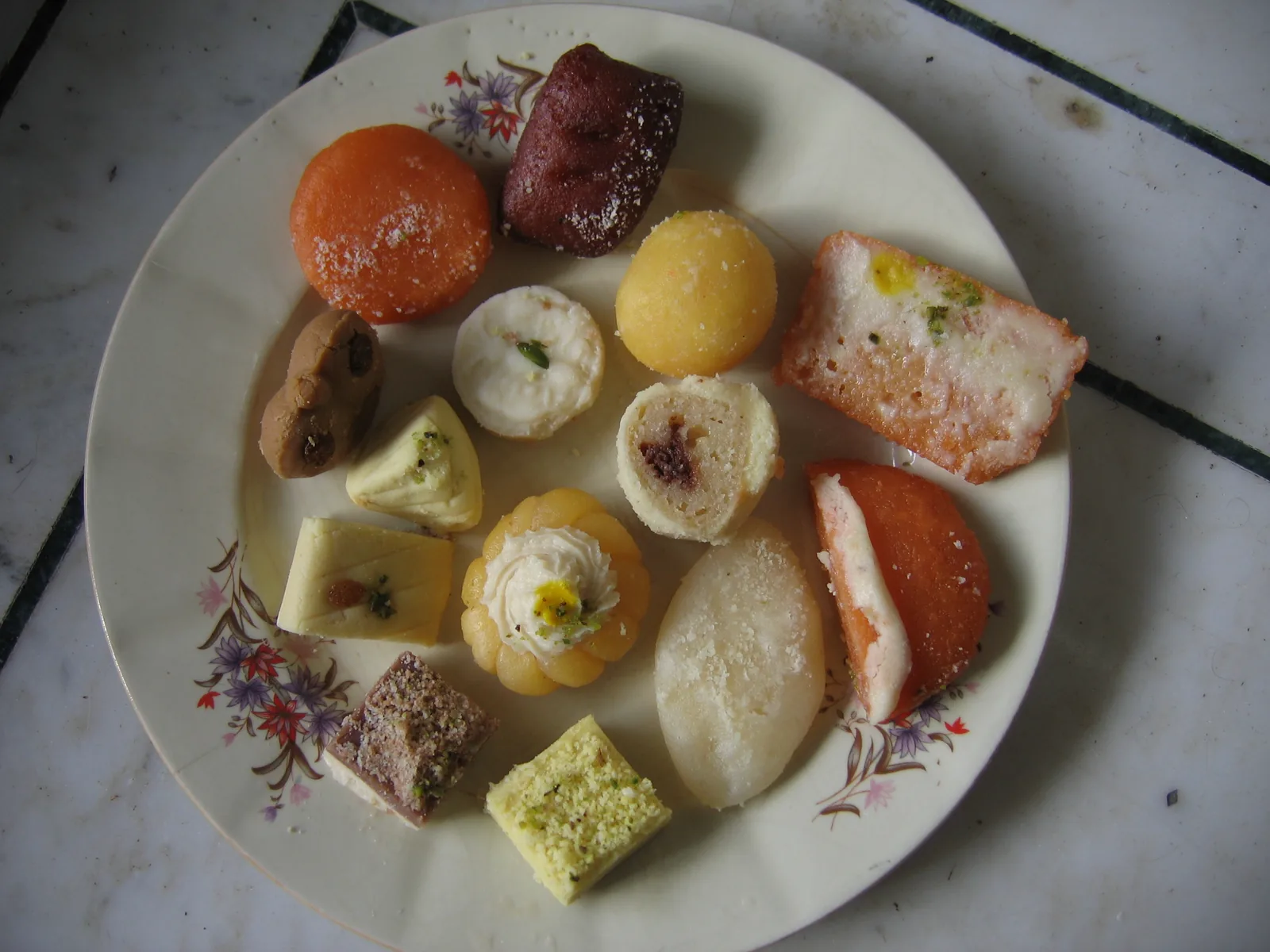
None of this is an argument against fruit, plain curd or the occasional festive sweet. It is an argument for counting the invisible teaspoons first.
Labels, "healthy" claims and school sugar boards
India's food law already requires nutrition information on most packaged foods. In 2024, FSSAI approved amendments so that total sugar, salt and saturated fat would appear in bold, larger type on labels (PIB release). Front-of-pack labelling has been a longer fight. A 2022 draft amendment proposed an Indian Nutrition Rating star system (half a star to five stars) based on energy, sugars, saturated fat, sodium and positive nutrients, alongside a definition of HFSS foods. A final mandatory front-of-pack rule for every pack remains contested.
Marketing language has already been clipped in one clear case. FSSAI told e-commerce platforms that "health drink" is not defined under the Food Safety and Standards Act, and that malt, cereal or dairy beverage mixes should not sit under a "Health Drinks / Energy Drinks" shelf label (FSSAI advisory; PIB summary). If a packet needs a soft word to sound like medicine, read the sugar line instead.
Schools are part of the same story. In May 2025, CBSE directed affiliated schools to set up "Sugar Boards" displaying recommended daily sugar intake, sugar content in common junk foods and cold drinks, health risks and healthier alternatives, and to run awareness workshops (CBSE Circular Acad-26/2025).
Practical ways to stay near 25 grams
Public guidelines describe populations, not personal prescriptions for people with diabetes or other conditions, who should follow clinical advice. For a generally healthy adult trying to honour WHO and ICMR-NIN limits:
- Measure the chai sugar for a week. Cut one teaspoon per cup, or shift some cups to unsweetened tea or buttermilk.
- Keep soft drinks and packaged juices occasional. Prefer water, chaas, nimbu pani without heaps of sugar, or whole fruit.
- Read the panel: compare sugars per 100 g or per serve. "No added sugar" claims still need a scan for juice concentrates.
- Treat mithai as a portion, not a plate. Share boxes; do not make sweets the daily after-meal default.
- Cook sweetness on purpose. Home food lets you see the spoons.
- Do not treat non-sugar sweeteners as a free pass. WHO's healthy diet guidance says free sugar cuts should not depend on sweetener swaps.
The everyday answer
Too much sugar, in the sense WHO and ICMR-NIN use, is a habitual free sugar intake above 10% of energy, with a smarter Indian target nearer 5%, about 25 g or six teaspoons a day for many adults, and zero added sugar for the youngest children. Fruit in its skin and plain milk are not the main problem. The main problem is the sweetened cup, the cold bottle, the festival box on ordinary Tuesdays, and the packet that tastes like dessert while posing as routine food.
Count those first. Once chai, drinks and packaged sugars shrink, the sugar bowl at home usually becomes easy to keep small.