How Much Protein Do You Need a Day?
Most healthy adults need about 0.83 g of protein per kilo of body weight a day, or 46 to 54 g for India's reference adults. The bigger Indian problem is less the amount than the quality and source.
 By Kirti Kaliraman· 8 min read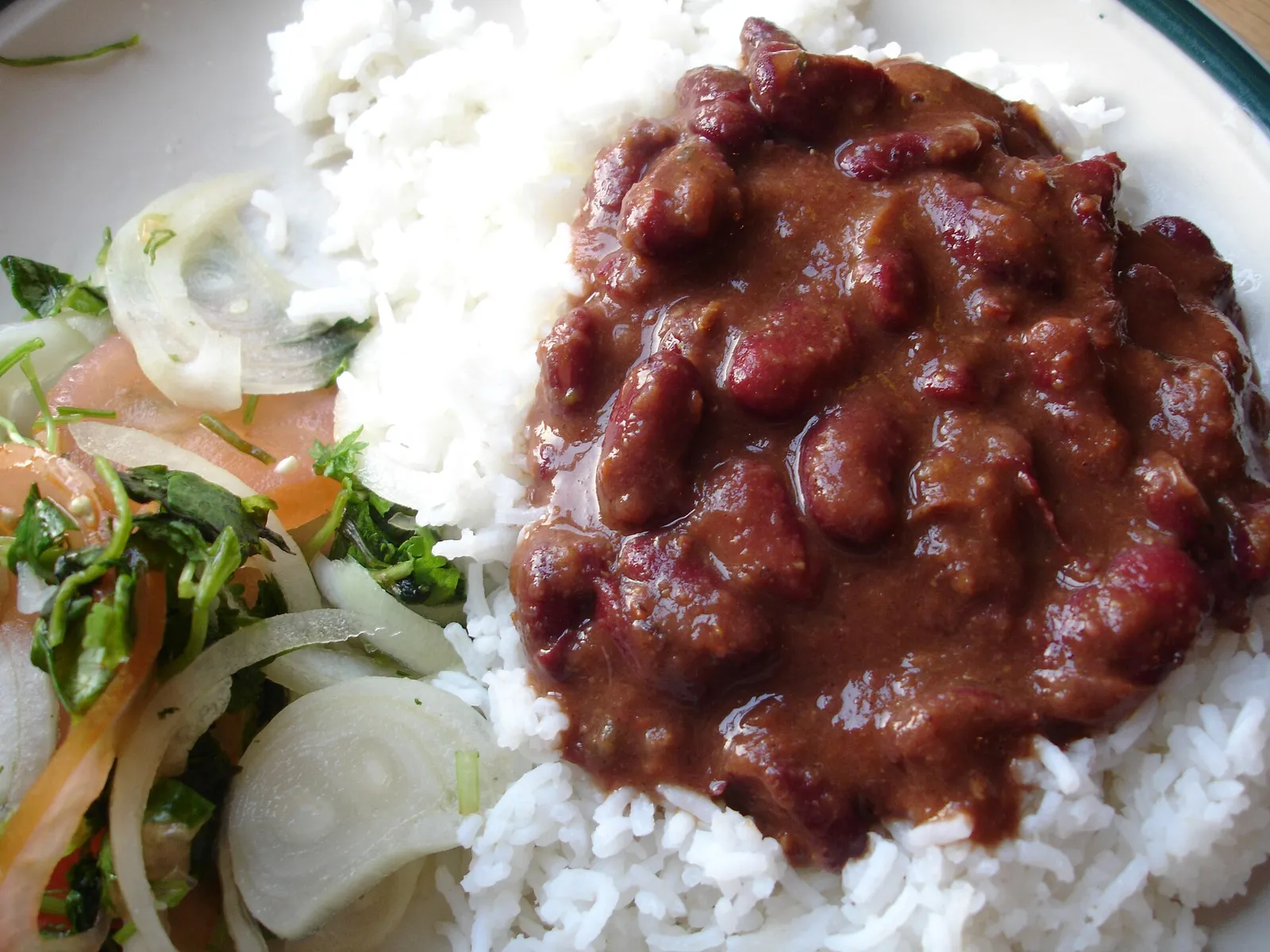
Most healthy adults need about 0.83 grams of protein per kilogram of body weight per day, which works out to roughly 54 g for a 65 kg man and 46 g for a 55 kg woman under India's official ICMR-NIN recommendations. Needs rise in pregnancy, breastfeeding, older age and heavy training, and people eating mostly cereal-based diets are advised to aim nearer 1 g per kilogram.
That number is a floor for good health, not a bodybuilding target. For most Indians the more pressing question is not how many grams sit on the plate but where they come from: national surveys show that cereals, which carry lower-quality protein, still supply the largest share.
Where the 0.83 g figure comes from
Protein requirements are set by measuring how much nitrogen the body loses every day (in urine, stool, skin and sweat) and how much dietary protein is needed to replace it. A joint FAO/WHO/UNU expert consultation in 2007 used this nitrogen balance evidence to set an average adult requirement of 0.66 g/kg/day and a "safe" intake of 0.83 g/kg/day, high enough to cover about 97.5% of healthy adults.
India adopted the same approach. The ICMR-National Institute of Nutrition expert group behind Nutrient Requirements for Indians 2020 set the Estimated Average Requirement (EAR) at 0.66 g/kg and the Recommended Dietary Allowance (RDA) at 0.83 g/kg, replacing the older 2010 RDA of 1 g/kg. It also updated India's reference adults to a 65 kg man and a 55 kg woman aged 19 to 39 with a normal BMI. Multiply those weights by 0.83 and you get the familiar figures: about 54 g a day for men and 45.7 g for women, regardless of whether the job is sedentary or physically heavy.
The U.S. National Academies use a near-identical RDA of 0.8 g/kg. The global consensus is narrower than social media suggests.
To find your own baseline, multiply your weight in kilograms by 0.83. A 60 kg adult lands near 50 g; an 80 kg adult near 66 g. People who carry a lot of excess body fat often use a weight closer to their healthy range for this sum, since fat tissue needs little protein to maintain.
Who needs more
The RDA describes healthy, non-pregnant adults. Several groups need more:
- Pregnancy: ICMR-NIN adds 9.5 g a day in the second trimester and 22 g in the third.
- Breastfeeding: an extra 16.9 g a day for the first six months and 13.2 g from six to twelve months.
- Children and teenagers: need more protein per kilogram than adults because they are growing. Infants under six months need about 1.4 g/kg, falling to around 0.9 g/kg by early adolescence.
- Older adults: the European PROT-AGE study group recommended in 2013 that people over 65 eat at least 1.0 to 1.2 g/kg/day to protect muscle and function, and 1.2 to 1.5 g/kg for those with acute or chronic illness. Ageing muscle responds less strongly to each meal of protein, and loss of muscle (sarcopenia) predicts falls and loss of independence.
- Regular strength training: a 2018 meta-analysis of 49 trials in the British Journal of Sports Medicine found that gains in muscle mass levelled off around 1.6 g/kg/day, with the authors suggesting up to about 2.2 g/kg for people chasing maximal gains.
That last point matters. Protein builds muscle only when muscle is asked to work. Indian guidelines are blunt here: without enough physical activity and resistance exercise, extra protein will not turn into muscle. A daily walking habit plus two sessions of strength work a week does more for lean mass than any extra scoop.
How much protein Indians actually eat
On paper, the national average looks adequate. The Ministry of Statistics' Nutritional Intake in India report, based on the Household Consumption Expenditure Surveys of 2022–23 and 2023–24, puts average intake at 61.8 g per person per day in rural India and 63.4 g in urban India in 2023–24, up from about 59 g in 2009–10.
Averages hide two problems. The first is distribution: the survey finds calorie intake climbing steadily with household spending, so a national mean says little about the poorest households. The second is quality. The same report shows that cereals supply about 46 to 47% of protein in rural India and about 39% in urban India, while pulses contribute only about 9% and eggs, fish and meat 12 to 14%. Cereals' share has fallen from 60.2% in rural India in 2009–10, but they remain the single largest source by a wide margin.
The nationally representative ICMR-INDIAB study, published in Nature Medicine in 2025 with dietary data from 18,090 adults, found that protein supplied a median of just 12% of daily energy, below the 15% the dietary guidelines suggest, while carbohydrates supplied 62.3%, much of it from refined cereals. Plant protein accounted for 8.9% of energy, dairy 2.1% and all other animal protein just 1%.
Child nutrition data show why this matters beyond adults. The National Family Health Survey (NFHS-5, 2019–21) found that 35.5% of Indian children under five were stunted, a sign of chronic undernutrition in which too little good-quality protein, alongside energy and micronutrient gaps and repeated infections, plays a part.
Why protein quality matters
Proteins are built from 20 amino acids. Nine of them are essential: the body cannot make them, so they must come from food. A food's protein quality depends on whether it supplies all nine in the right proportions and how well it is digested.
Cereals such as rice, wheat and millets are short of lysine (and to a lesser degree threonine and tryptophan). Pulses are rich in lysine but short of the sulphur amino acids methionine and cysteine. Eaten together, each covers the other's gap. That is the logic behind India's everyday combinations: dal-chawal, rajma-rice, idli-sambar, khichdi, roti with chana.
The Dietary Guidelines for Indians 2024 turn this into a simple rule: combine cereals and pulses in a 3:1 ratio by raw weight, and add about 250 ml of milk a day to meet every essential amino acid. The guidelines also note that most vegetarian foods have a protein digestibility of 70 to 85%, which is why they advise people on largely cereal-based diets to aim nearer 1 g/kg rather than 0.83 g/kg.
What 50 to 60 grams looks like on an Indian plate
ICMR-NIN's model "My Plate for the Day", designed for a 2,000-kcal diet, shows how ordinary foods add up:
| Food (raw weight per day) | Approximate protein |
|---|---|
| Cereals and millets, 250 g | ~25 g |
| Pulses and legumes, 85 g | ~20 g |
| Milk or curd, 300 ml | ~10 g |
| Vegetables and greens, 400 g | ~10 g |
| Nuts and seeds, 35 g | ~6 g |
| Vegetarian total | ~72 g (about 15% of energy) |
The non-vegetarian version swaps some pulses for 70 g of chicken, meat or eggs, which supplies about 15 g of protein, for a total near 79 g. Either plate comfortably clears the RDA for most adults without a single supplement.
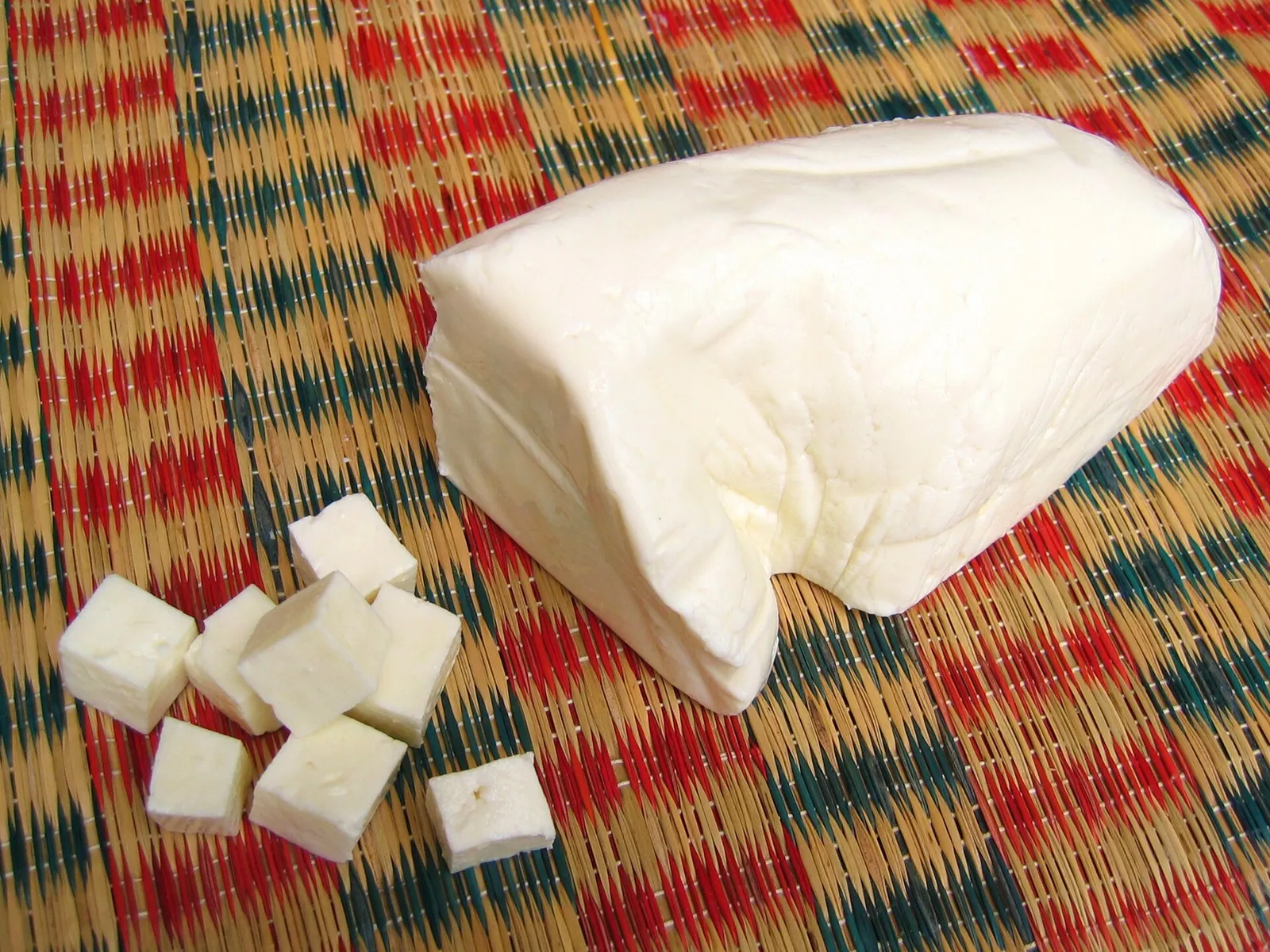
Practical swaps that raise protein without overhauling a diet include a second katori of dal, sprouts or chana chaat as a snack, curd or buttermilk with lunch, besan or moong chillas for breakfast, a handful of peanuts or roasted chana, an egg, paneer or soya chunks a few times a week, and fish or chicken for those who eat them. Spreading protein across meals, rather than loading it into dinner, helps the body use it.
Do you need protein powder?
For most people, no. The 2024 Dietary Guidelines for Indians devote a full guideline to this: obtain good-quality protein from food combinations and avoid protein supplements to build muscle mass. They note that powders may contain added sugars, non-caloric sweeteners and artificial flavourings, that muscle gains plateau beyond about 1.6 g/kg even with resistance training, and that most athletes can meet their needs from food alone. The guidelines conclude that protein powders are unnecessary for a normal healthy life.
They also caution that very high protein intakes over long periods, especially from supplements, can increase calcium loss from bone and may worsen kidney function in people who already have kidney disease. Anyone with chronic kidney disease, liver disease or a metabolic disorder should get a protein target from their own doctor or dietitian rather than a general guideline. Supplements do have a place in specific clinical situations, such as recovery from illness or poor appetite in old age, but that is a decision for a clinician.
The everyday answer
For a healthy adult, a sensible baseline is body weight in kilograms multiplied by 0.83, nudged towards 1 g/kg if your diet is mostly cereal, towards 1.0 to 1.2 g/kg after 65, and higher only with serious, regular strength training. Build it from varied food: a pulse with every main meal, milk or curd daily, nuts and seeds, and eggs, fish or meat if you eat them. Keep the rest of the routine in place too, including enough water and seven or more hours of sleep, since muscle repair happens largely at rest.
Protein is not a miracle nutrient, and more is not automatically better. Eaten in the right amount and the right combinations, it is simply one of the foundations of a body that stays strong for decades.