How Much Salt Should You Eat a Day?
Keep salt under 5 g a day, which is under 2 g of sodium. Indians average about 8 g, much of it from pickle, papad, namkeen and packaged foods rather than the salt cellar alone.
 By Kirti Kaliraman· 8 min read
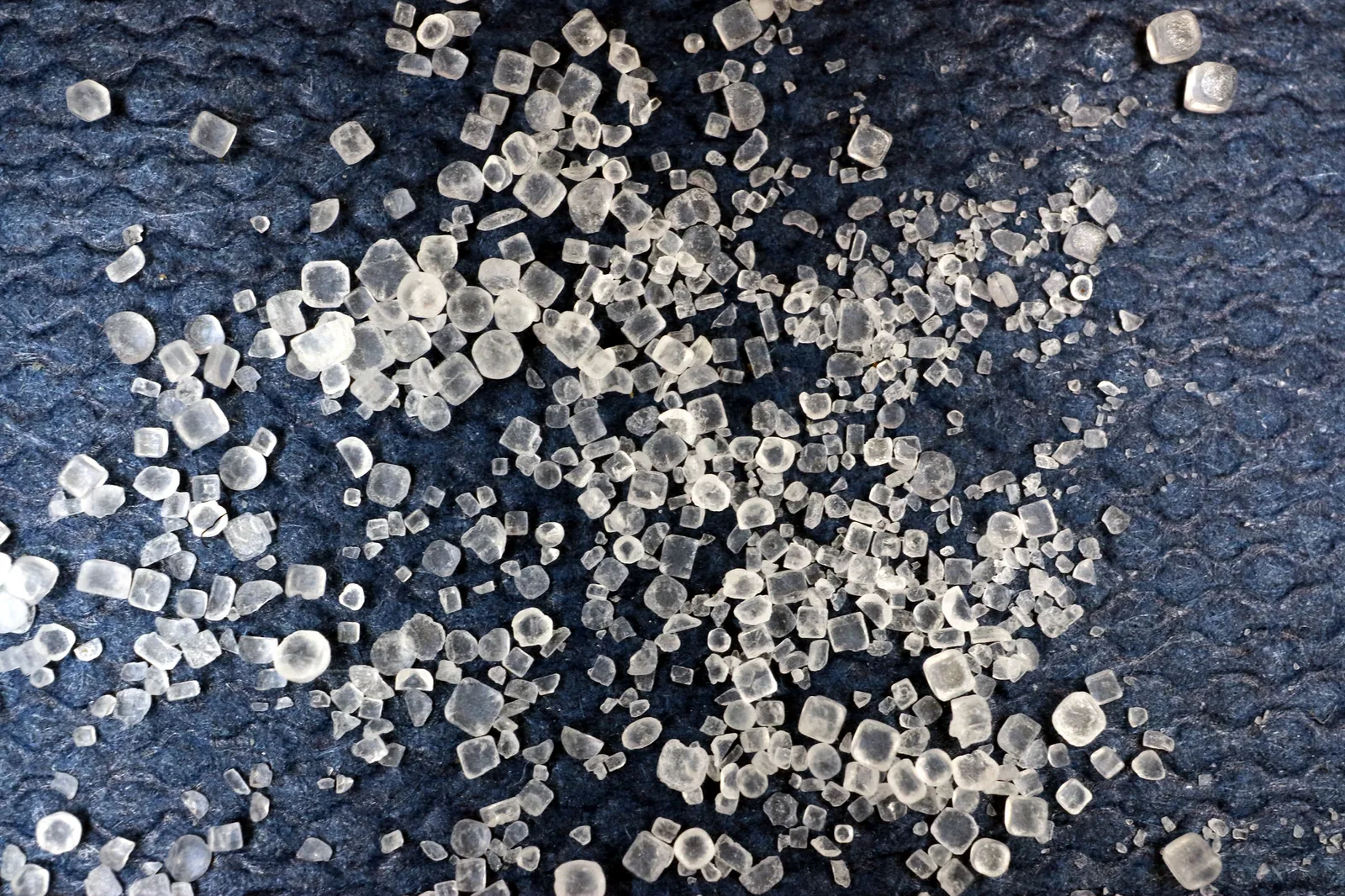
For most healthy adults, keep salt under about 5 grams a day, which is under 2 grams of sodium, roughly one level teaspoon of table salt from all sources combined. That is the shared ceiling of the World Health Organization and India's ICMR-NIN Dietary Guidelines for Indians 2024. National survey work put Indian adults nearer 8 g a day, so the average plate already sits well above the target.
Salt here means sodium chloride added in cooking, at the table and, more often, hidden in pickles, papad, namkeen, sauces and packaged snacks. This is population guidance, not a personal prescription for people with kidney disease, heart failure or other conditions who need clinical advice.
Sodium versus salt: the conversion that matters
Nutrition labels and health agencies speak two languages. Sodium is the element that raises blood pressure when intake is high. Salt (sodium chloride) is what most kitchens and sachets contain. WHO's salt-reduction fact sheet states the adult target as less than 2,000 mg of sodium a day, equivalent to less than 5 g of salt. The older WHO sodium guideline for adults uses the same 2 g sodium / 5 g salt pairing.
A quick conversion helps when you read a packet:
- Salt (g) ≈ sodium (g) × 2.5
- Sodium (g) ≈ salt (g) × 0.4
So 2 g of sodium is about 5 g of salt. One level teaspoon of table salt is roughly 5 g, already a full day's budget if nothing else on the plate carried sodium. ICMR-NIN's Guideline 11 notes that common salt is about 40% sodium and 60% chloride, and that a positive sodium balance can be met with intakes of not more than 5 g of salt per day. Pink rock salt and black salt still deliver sodium; the guidelines say their sodium content is almost similar to ordinary salt, so switching colour does not reset the limit.
What Indian guidelines actually say
ICMR-NIN's Dietary Guidelines for Indians 2024 devote Guideline 11 to salt. They align with WHO: restrict added salt (sodium chloride) to a maximum of 5 g per day, use iodized salt, and cut processed and preserved foods such as snacks, sauces, ketchup, biscuits, chips, cheese and salted fish. The same document says Indian intake data show average salt use ranging from about 3 g to 10 g a day across states, with roughly 45% of people above 5 g. High ambient heat and hard physical work raise sweat sodium losses, but that is not a free pass for namkeen; the guidelines still hold the 5 g ceiling for the general adult population and urge a lower-salt taste from early life.
Potassium is the quiet partner. ICMR-NIN links a high sodium-to-potassium ratio with higher blood pressure risk, and points to vegetables, fruits, beans, lentils, banana, dry fruits and coconut water as potassium-rich foods that help the balance. That is the same plate logic that asks how much water you need in heat and how much protein belongs on the thali: whole foods first, discretionary seasoning second.
How much Indians actually eat
A 2023 Scientific Reports analysis from the National NCD Monitoring Survey (NNMS), led through ICMR-NCDIR, estimated mean daily salt intake at 8.0 g among Indian adults aged 18 to 69 (8.9 g for men, 7.1 g for women), using spot urine sodium. Less than one-third of adults in that sample were aware that high daily salt intake could harm health. Earlier multi-site work published in the Journal of the American Heart Association and available via PMC found 24-hour urinary salt excretion around 8.6 g a day in Delhi and Haryana and 9.5 g in Andhra Pradesh, rising further after inflation for incomplete collections. Different methods, same story: many Indian diets sit well above 5 g.
WHO's global picture matches the gap. Its salt-reduction fact sheet cites a 2021 global adult mean of about 4,278 mg sodium a day (near 11 g salt), more than double the recommendation, and links excess sodium to raised blood pressure, heart disease, stroke and other risks. A WHO sodium progress report likewise notes that average intake remains more than double the 2,000 mg sodium target.
Why the gap matters: hypertension in India
Salt is not the only driver of high blood pressure, but it is one of the most actionable. WHO's hypertension fact sheet identifies excess dietary sodium and insufficient potassium among the main risks, alongside physical inactivity, tobacco, alcohol, overweight and unhealthy diets. India's own survey numbers show how large the blood-pressure burden already is.
The NFHS-5 (2019-21) national report found that 21% of women and 24% of men aged 15 and over had hypertension (systolic ≥140 mmHg, diastolic ≥90 mmHg, or current blood-pressure medicine), with 39% of women and 49% of men in the pre-hypertensive range. Prevalence rose sharply with age. Among people who said a doctor had told them they had hypertension, only a small share reported taking medicine, a reminder that diagnosis and control are separate problems.
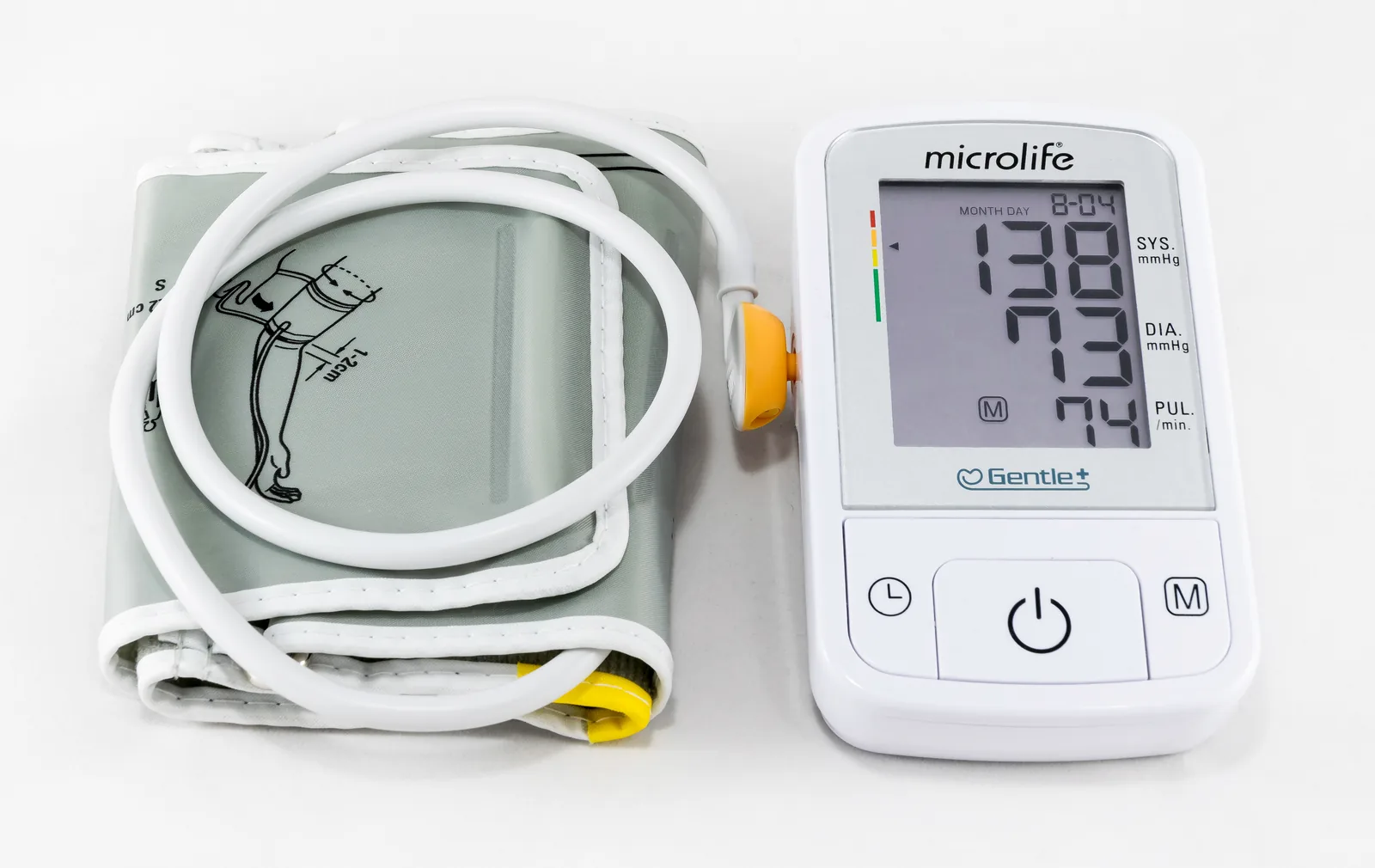
Public programmes treat that burden as a health-system job, not only a kitchen tip. The India Hypertension Control Initiative (IHCI) is a partnership of the Ministry of Health and Family Welfare, ICMR, state governments and WHO India. It began in selected districts and expanded across more states to strengthen protocol-based treatment, drug supply and blood-pressure follow-up in public facilities. Cutting dietary salt at population scale and treating diagnosed hypertension are complementary tools, not rivals. Everyday movement still matters too: a regular walking habit supports blood pressure alongside a lower-sodium plate.
Where the salt hides in an Indian day
Most people who try to "eat less salt" only watch the salt cellar. In Indian diets, a large share of sodium arrives already dissolved in habit foods:
- Pickles (achar) and papad, often taken as a side with every meal
- Namkeen, bhujia, sev, chips and fried snack mixes
- Sauces, ketchup, chutneys, instant noodles and soup powders
- Packaged snacks, biscuits and ready-to-eat meals
- Restaurant and street food, where salt and baking soda or MSG raise taste and shelf life
- Salted nuts, cheese, salted butter and canned foods
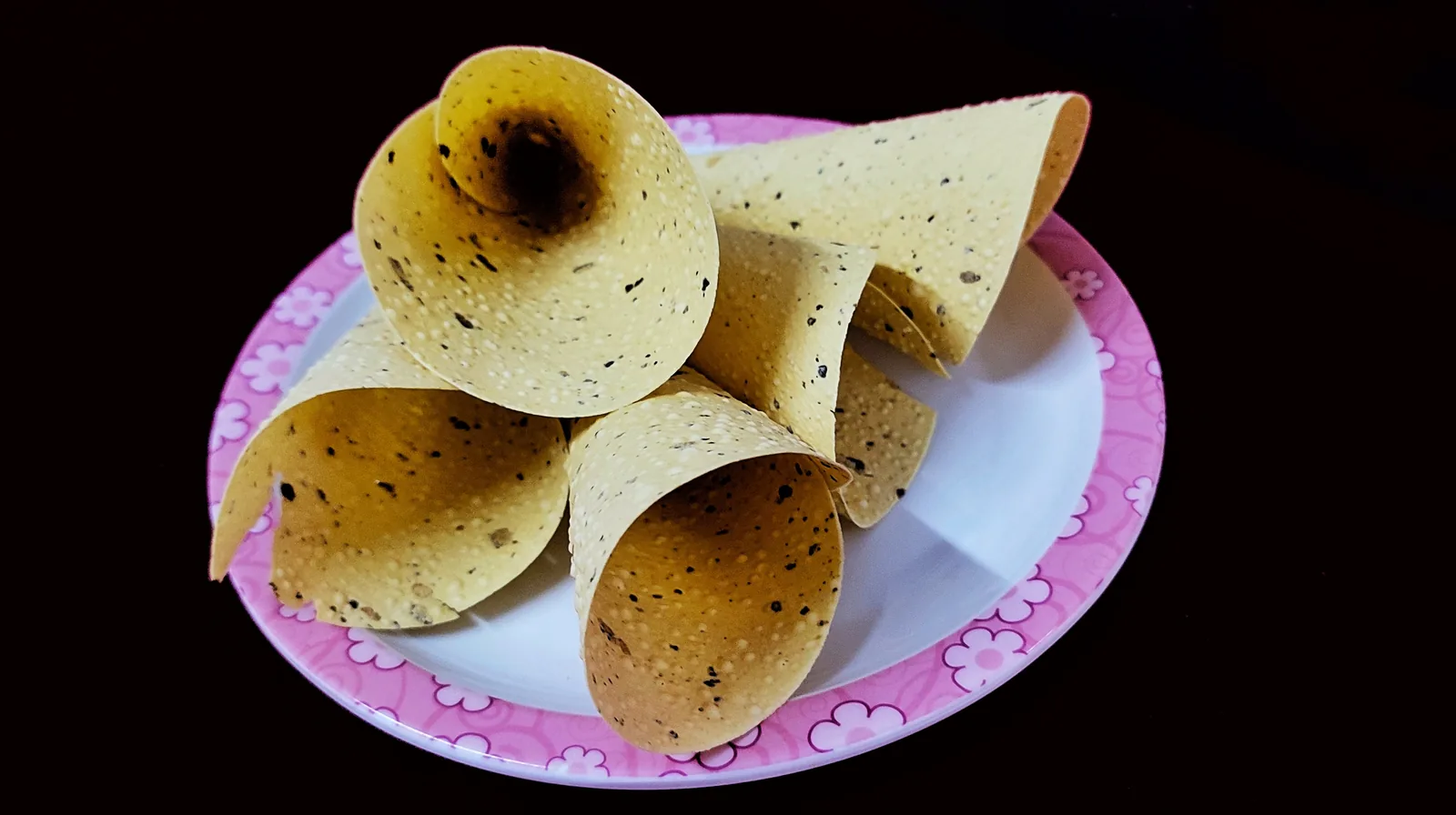
ICMR-NIN lists snack foods, savouries, soups, sauces, ketchup, salted butter, cheese, canned foods, papads and salted dry fish among the high contributors, and flags baking soda, baking powder and monosodium glutamate as extra sodium sources in processed foods. The NNMS paper found low awareness that daily high salt intake can harm health, which helps explain why a "light hand with the salt" can still leave intake near 8 g once pickle and namkeen are counted.
The same HFSS pattern that loads plates with free sugars often loads them with sodium too: packaged snacks that taste both sweet and salty, soft drinks paired with namkeen, and festival spreads where pickle and fried snacks sit beside mithai.
Labels, Eat Right and lower-sodium salt
India's regulators have been pushing salt down the agenda for years. FSSAI's Eat Right India platform (also at eatrightindia.gov.in) frames safer, healthier and more sustainable food as a public campaign, with salt reduction among the nutrition messages shops and cities are asked to carry. In 2024, FSSAI moved to make total sugar, salt and saturated fat stand out in bold, larger type on nutrition labels (PIB release), so the sodium line is harder to skip at the shelf.
"Low sodium salt" products usually replace some sodium chloride with potassium chloride. They can help some adults cut sodium, but they are not for everyone: people with kidney disease or those on medicines that raise blood potassium need medical advice before switching. Use iodized salt if you use ordinary salt, because iodine deficiency control still depends on fortified salt in India; cutting total salt does not mean dropping iodization.
Practical ways to stay near 5 grams
Population guidelines describe averages, not hospital charts. For a generally healthy adult trying to honour WHO and ICMR-NIN limits:
- Measure home cooking salt for a week. Put the day's cooking salt in a small bowl; seeing 5 g as a physical pile changes behaviour faster than a slogan.
- Treat pickle and papad as occasional, not automatic sides. Alternate with fresh salad, raita or unsalted roasted chana.
- Read sodium per 100 g and per serve on namkeen, noodles, sauces and ready meals. Compare brands; the gap is often large.
- Cook more from whole ingredients. Dal, sabzi and rice let you control the spoon; restaurant gravy rarely does.
- Raise potassium on purpose: vegetables, fruit, beans, curd and unsalted nuts, as ICMR-NIN advises, while you cut sodium.
- Do not confuse rock salt or Himalayan pink salt with a free pass. Sodium content stays in the same league.
- Keep sweat and illness separate from snack habits. Heat and heavy work raise fluid and electrolyte needs; that is a case for water, food and ORS when appropriate, not for daily bhujia.
The everyday answer
How much salt should you eat a day? For most healthy adults, under 5 g of salt, which is under 2 g of sodium, from cooking, table use and processed foods together. India's measured average near 8 g means many people need a real cut, not a symbolic one, and the easiest wins are usually pickle, papad, namkeen and packaged snacks rather than the salt cellar alone. Keep iodized salt if you use salt, watch the sodium line on labels, and treat blood-pressure checks as part of the same story as the plate.
Count the hidden teaspoons first. Once those shrink, the cooking spoon becomes easy to keep small.