Is Walking Enough Exercise to Stay Healthy?
You do not need 10,000 steps, a gym membership or special gear. Large studies from around the world show that regular walking ranks among the most powerful things a person can do for long-term health.
 By Kirti Kaliraman· 5 min read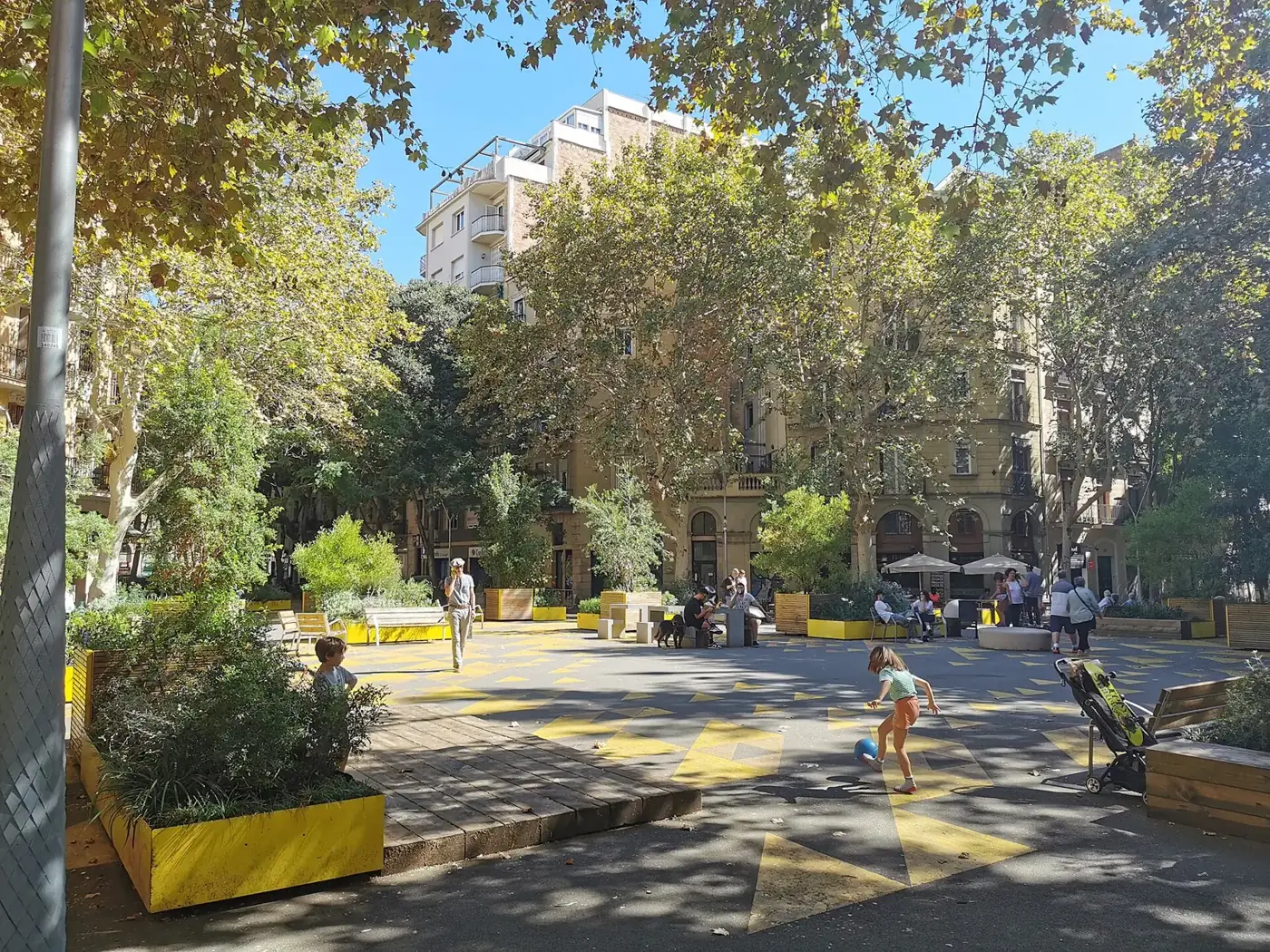
For many adults, yes: large studies link roughly 6,000 to 8,000 steps a day to a substantially lower risk of early death, with benefits appearing well below the famous 10,000-step target. Walking will not build maximal strength or speed, but as a daily foundation it outperforms almost every fitness trend on the evidence.
Every few years a new fitness trend sweeps the world. Through all of them, one habit quietly outperforms almost everything else on the evidence: walking. It is free, low-risk, available to most people in most places and backed by a mountain of research. If there were a pill that delivered its benefits, it would be one of the best-selling drugs on Earth.
Where 10,000 steps came from
The famous target of 10,000 steps a day did not originate in a laboratory. It is widely traced to a Japanese pedometer marketed around the time of the 1964 Tokyo Olympics, whose name, manpo-kei, translates roughly as "10,000-step meter." The round number was catchy, and it stuck.
Science has since tested it. Large analyses pooling data from tens of thousands of adults across several continents have found that the risk of death from any cause falls steadily as daily steps rise, with substantial benefits appearing well below 10,000. For many adults, gains are significant at around 6,000 to 8,000 steps a day, and benefits tend to level off beyond that, especially among older people. In other words, 10,000 is a fine goal, but it is not a magic threshold. Every extra stretch of walking counts.
What walking does to the body
Walking is deceptively simple, but its effects reach almost every system:
- Heart and blood vessels: regular brisk walking is associated with lower blood pressure, better cholesterol profiles and a reduced risk of heart disease and stroke.
- Blood sugar: muscles pull glucose out of the bloodstream when they work. Even a short walk after a meal helps blunt the post-meal spike in blood sugar, which is especially valuable for people at risk of type 2 diabetes.
- Bones and joints: as a weight-bearing activity, walking helps maintain bone density, while the gentle movement keeps joints mobile.
- Mind and mood: walking is linked to lower rates of depression and anxiety, and many studies associate physical activity with a reduced risk of cognitive decline.
- Sleep: people who are more active during the day generally fall asleep more easily and sleep more deeply.
The World Health Organization recommends that adults get at least 150 to 300 minutes of moderate-intensity activity a week. Brisk walking qualifies, which means about 30 minutes on five days covers the minimum.
Pace matters, a little
How fast you walk adds a further layer of benefit. Moderate intensity means you can talk but not sing. Research has also linked a habitually faster walking pace to better heart health and longer life expectancy, though part of that relationship reflects the fact that healthier people naturally walk faster.
A useful approach is to mix it up. Japanese researchers popularised interval walking, alternating about three minutes of fast walking with three minutes of easy walking. Trials in middle-aged and older adults showed improvements in fitness, leg strength and blood pressure compared with steady, gentle walking.
Cities that make walking easy
Whether people walk depends hugely on where they live. Some of the world's most walkable places, such as Tokyo, Barcelona, Copenhagen and Hong Kong, combine dense neighbourhoods, frequent public transport and shops within a short stroll of homes. Residents rack up steps without ever "exercising."
Urban planners increasingly design for this. Paris's push toward the 15-minute city, an idea associated with researcher Carlos Moreno, aims to put daily needs within a short walk or bike ride. Barcelona's superilles, or superblocks, close interior streets to through traffic and hand them back to pedestrians. Bogotá's weekly Ciclovía closes many kilometres of roads to cars every Sunday, filling them with walkers, runners and cyclists.
Contrast that with car-dependent suburbs, where a simple errand requires driving. Studies consistently find that people in walkable neighbourhoods are more active and have lower rates of obesity.

Walking traditions around the world
Many cultures built walking into daily life long before fitness trackers existed:
| Tradition | Where | What it is |
|---|---|---|
| Passeggiata | Italy | The early-evening stroll through town, to see and be seen |
| Paseo | Spain, Latin America | A similar social walk, often after dinner |
| Shinrin-yoku | Japan | "Forest bathing," slow, mindful time among trees |
| Friluftsliv | Norway | A philosophy of open-air living and time in nature |
| Pilgrimage routes | Spain, Japan and beyond | Long-distance walks such as the Camino de Santiago and Shikoku's 88 temples |
The social element matters. Walking with others combines exercise with connection, and loneliness itself is now recognised as a significant health risk.
Making it stick
The best walking routine is the one you keep. Practical ways to add steps:
- Attach it to something you already do: a walk after lunch or dinner is easy to remember and helps blood sugar.
- Walk part of your commute: get off the bus or train a stop early.
- Take walking meetings and phone calls.
- Use stairs whenever they are an option.
- Track loosely: a phone or watch count is motivating, but aim for trends over the week rather than obsessing over a daily number.
Good shoes and gradual progress help prevent aches. People with heart conditions, joint problems or other health concerns should check with a doctor before making big jumps in activity.
The bottom line
Walking will not get the headlines that high-intensity workouts, cold plunges or the latest supplement do. But the evidence for it is broader, older and more consistent than for almost any trend. A brisk half-hour most days, woven into ordinary life, is one of the most reliable investments in a longer and healthier life available anywhere in the world.
Distance running is walking's ambitious cousin, and its oddest number has a royal backstory: see why a marathon is 26.2 miles. Cities matter too; Japan pairs walkable streets with the bullet train, so a long trip often starts and ends on foot.