What Is an Inner Line Permit?
An Inner Line Permit is a short-term travel document that Indian citizens from outside the state need before entering Arunachal Pradesh, Nagaland, Mizoram or Manipur. It comes from an 1873 colonial regulation that state governments still administer online.
 By Kirti Kaliraman· 6 min read
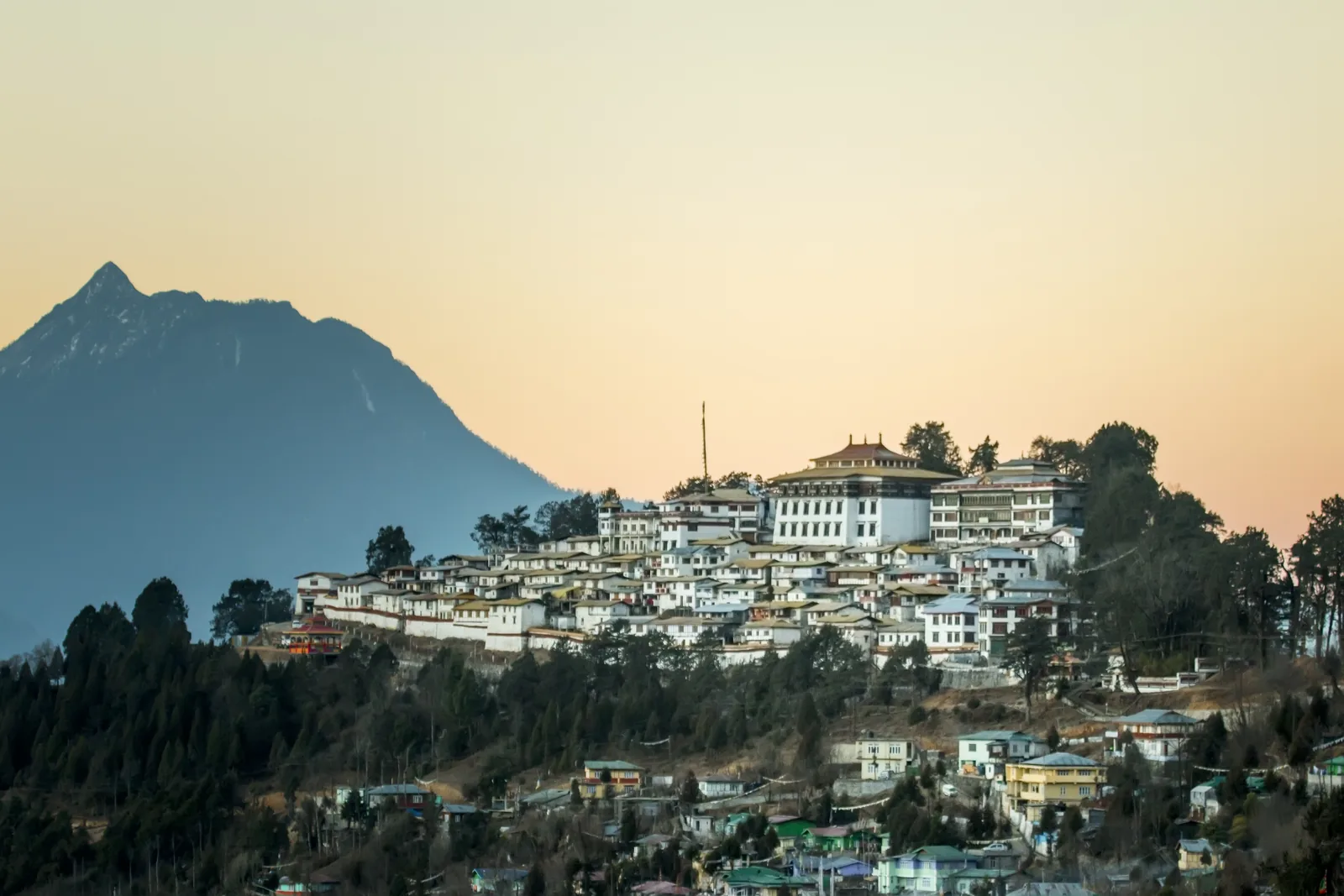
An Inner Line Permit (ILP) is an official travel document that Indian citizens who do not belong to the state must obtain before entering certain protected areas, above all Arunachal Pradesh, Nagaland, Mizoram and Manipur. The permit is issued by the state government for a limited period; it is rooted in the colonial Bengal Eastern Frontier Regulation, 1873, which still lets authorities draw an "Inner Line" and require a pass to cross it.
Foreign nationals face a different paper trail under Home Ministry rules (Protected Area Permits and Restricted Area Permits). For Indians, the ILP is the everyday checkpoint question on a Northeast road trip: do you have the pass, and is it still valid?
An 1873 line drawn for colonial control
The Bengal Eastern Frontier Regulation, 1873 (Regulation 5 of 1873) was framed for the peace and government of districts on Bengal's eastern frontier. Section 2 still empowers the state government to prescribe and alter an Inner Line by gazette notification, and to prohibit citizens of India (the Adaptation of Laws Order, 1950 replaced the older "British subjects" wording) from going beyond that line without a pass. Section 3 makes crossing without a pass punishable with imprisonment of up to one year, a fine of up to one thousand rupees, or both.
Colonial officials sold the Inner Line as a buffer: keep plains traders, tea planters and "British subjects" from pushing freely into hill tracts, while also limiting tribal raids and asserting frontier control. After Independence the Regulation was adapted rather than repealed. Today state governments defend it as a way to regulate inward travel and protect tribal land and culture on sensitive borders.
Which states require an ILP today?
Four Northeast states currently run an ILP regime for Indian citizens from outside:
- Arunachal Pradesh, via the state e-ILP portal at eilp.arunachal.gov.in
- Nagaland, via ilp.nagaland.gov.in
- Mizoram, via the state portal at ilp.mizoram.gov.in
- Manipur, via manipurilponline.mn.gov.in
Manipur is the newest. In December 2019, during the Citizenship (Amendment) Bill debates, Union Home Minister Amit Shah told the Lok Sabha that Manipur would be brought under the ILP system, a move The Hindu reported alongside the state's demand for exemption from the Bill. The President extended the Regulation through the Adaptation of Laws (Amendment) Order, 2019; Business Standard summarised the gazette change of 11 December 2019, and the Manipur portal cites Presidential Order S.O. 4433(E) of that date. The Union Cabinet later gave ex-post facto approval on 24 December 2019, and Akashvani marks implementation from 9 December 2019.
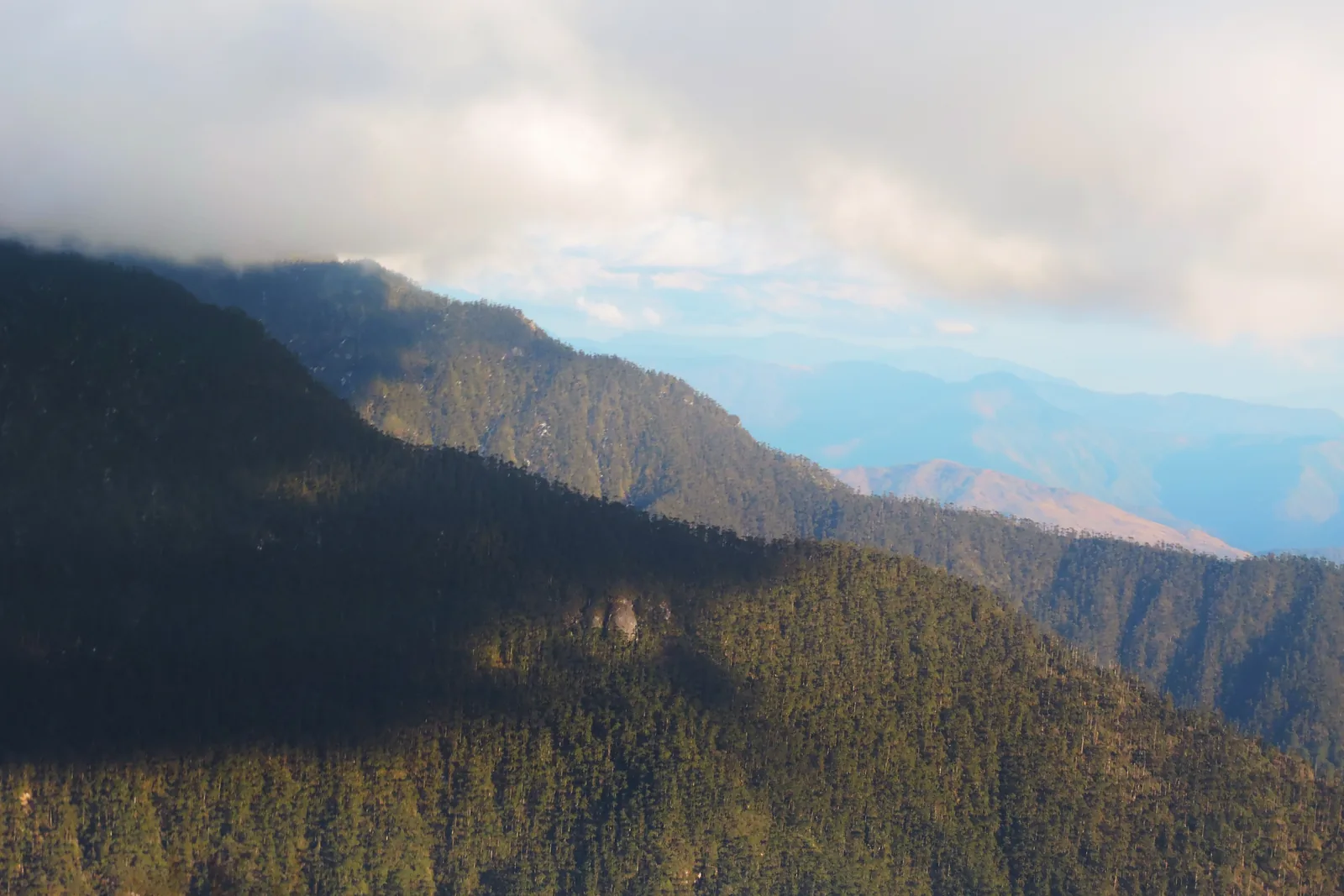
Nagaland's map has also shifted. Dimapur long sat outside the Inner Line as the state's commercial gateway. On 20 September 2024, a Home Department notification (No. CON-3/PAP/65/10) extended the Inner Line to Chumoukedima, Niuland and Dimapur, with phased rules for Dimapur settlers by date of residence, and a transit exemption for passengers with a valid ticket. The official PDF is on the Nagaland ILP site; the state DIPR later summarised revised Dimapur fee categories and online-only applications. Meghalaya is often discussed in ILP politics, but it is not among the four states that currently issue the permit.
ILP for Indians, PAP and RAP for foreigners
Do not confuse the Inner Line Permit with the permits foreign nationals need. Under the Foreigners (Protected Areas) Order, 1958 and related Restricted Area rules, foreigners generally need a Protected Area Permit (PAP) or Restricted Area Permit (RAP) for notified zones. India's High Commission in Kampala summarises the list on its PAP/RAP page: whole of Arunachal Pradesh, Manipur, Mizoram and Nagaland, parts of Himachal Pradesh, Jammu and Kashmir, Rajasthan and Uttarakhand, Sikkim (partly protected, partly restricted), and the Andaman and Nicobar Islands, among others. The Embassy of India in Bogota stresses that PAP and RAP are issued only through the e-FRRO portal, with about 15 days' notice if you are already in India and about 30 days if you apply from abroad. An Indian tourist uses a state ILP; a foreign tourist uses a central PAP or RAP.
How to apply, and what lasts how long
Each ILP state runs its own e-portal. Apply online with a photo ID (Aadhaar, voter ID, driving licence or passport, as the state form allows), a recent photograph and trip details; some categories need a local sponsor. Download or print the approved permit and carry the same ID you used to apply.
Validity and fees are state-specific. Manipur's official about page lists six categories, including a Temporary Permit for tourists (validity 30 days, not renewable) and a Regular Permit (90 days, needing sponsorship). Special, labour and working permits run longer. Nagaland publishes category fees on its portal and through DIPR notices; amounts change, so check before you pay.
Ladakh's former permit, and Sikkim's border passes
Ladakh once required Indian tourists to take an Inner Line Permit for Nubra, Pangong Tso, Tso Moriri and other notified pockets. On 6 August 2021, the Union Territory administration issued Notification S.O. 30, and the Times of India reported that the ILP for domestic tourists was scrapped while an environment fee and Red Cross fee remained, with foreigners still needing a Protected Area Permit. Recheck Ladakh notices before a high-altitude trip; some forward villages stay out of bounds.
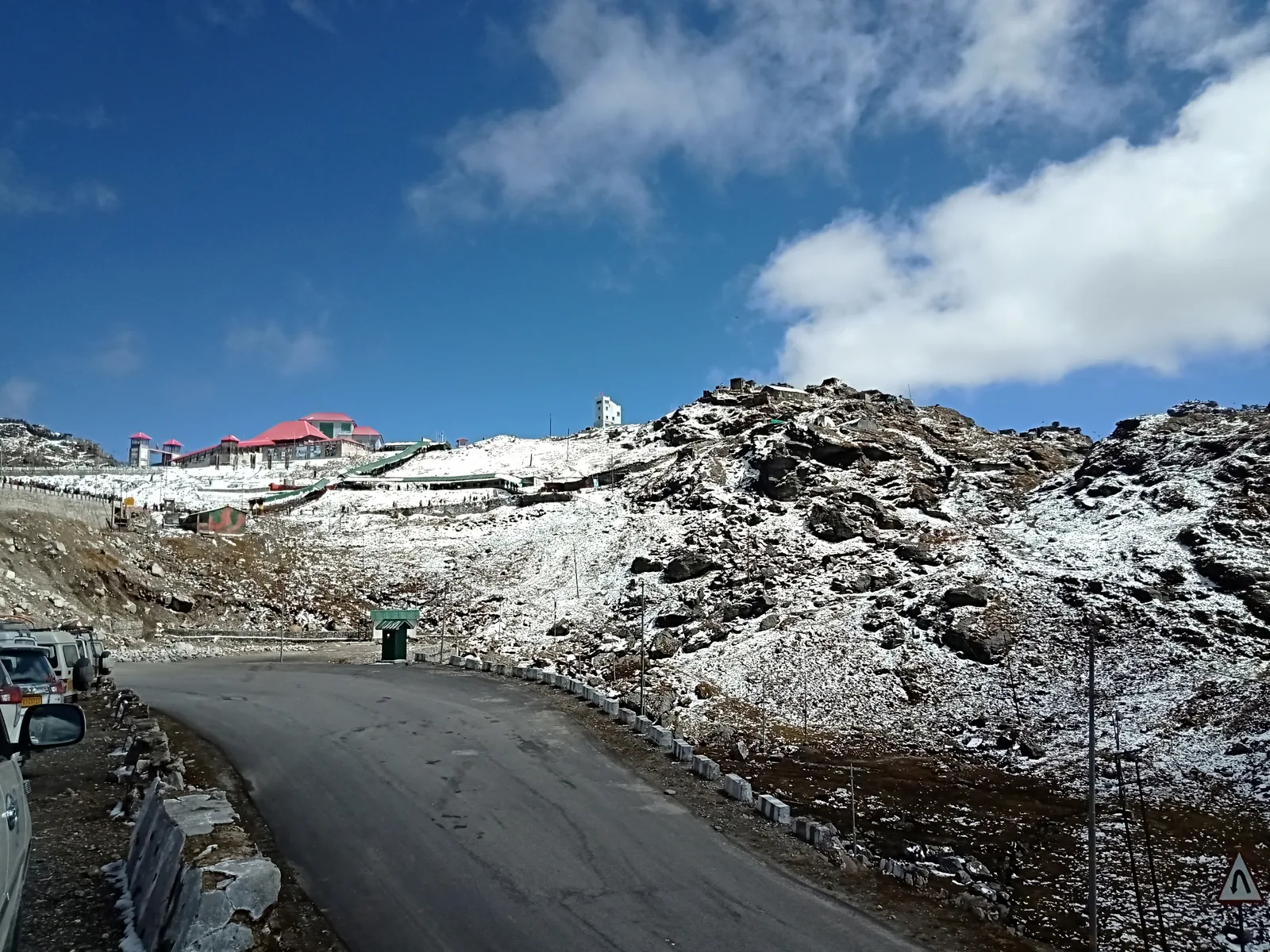
Sikkim is different again. Indian citizens do not need a Northeast-style ILP merely to enter the state, but they do need a Protected Area Permit for sensitive axes such as Tsomgo, Baba Mandir and Nathu La. The Sikkim government tourism page states that PAP is required for both Indian and foreign nationals in those protected belts, that Nathu La permits are issued for Indian nationals for a one-day excursion, and that applications go through government-registered travel agencies. Sikkim Tourism likewise says Nathu La is open to Indian nationals with a Tourism Department permit via a registered agency. Foreigners need a Restricted Area Permit to enter Sikkim, and they are not allowed up to Nathu La. Aadhaar is not accepted as nationality proof for these Sikkim permits; take a voter ID, driving licence or passport.
Practical tips for travellers
Apply before you board: gates at Mao, Dimapur approaches, Guwahati to Arunachal roads and Imphal airport check ILPs. Keep a printed or offline PDF plus the matching photo ID. Match the category to the trip (a 30-day Manipur temporary pass is for a visit, not a work posting). If you only transit Dimapur with a valid ticket, the 2024 notification's transit exemption may apply; staying or working is another matter. Mixed groups need both systems: the navy blue Indian booklet in why passports come in four colours does not unlock a PAP, so foreign friends still need e-FRRO. An ILP gets you past the line; it does not shorten the climb to Tawang or the broad-gauge haul into the Northeast, and flight tags into Guwahati or Imphal still speak the same strange code language as airport codes everywhere else.
The short answer, again
An Inner Line Permit is the state pass an Indian citizen from elsewhere needs to enter Arunachal Pradesh, Nagaland, Mizoram or Manipur for a defined stay. It descends from the Bengal Eastern Frontier Regulation of 1873, was extended to Manipur in December 2019, and now includes Dimapur under Nagaland's 2024 expansion. Foreigners use PAP or RAP instead. Apply on the official state portal, carry the matching ID, and treat Sikkim's Nathu La permit and Ladakh's post-2021 domestic rules as separate systems. Get the paper right, and the road beyond the Inner Line is simply the next stretch of India.