How Did Japan's Bullet Train Change Rail Travel?
Since 1964 the Shinkansen has carried billions of passengers with an average delay measured in seconds. Its real legacy is how it changed what countries expect from trains.
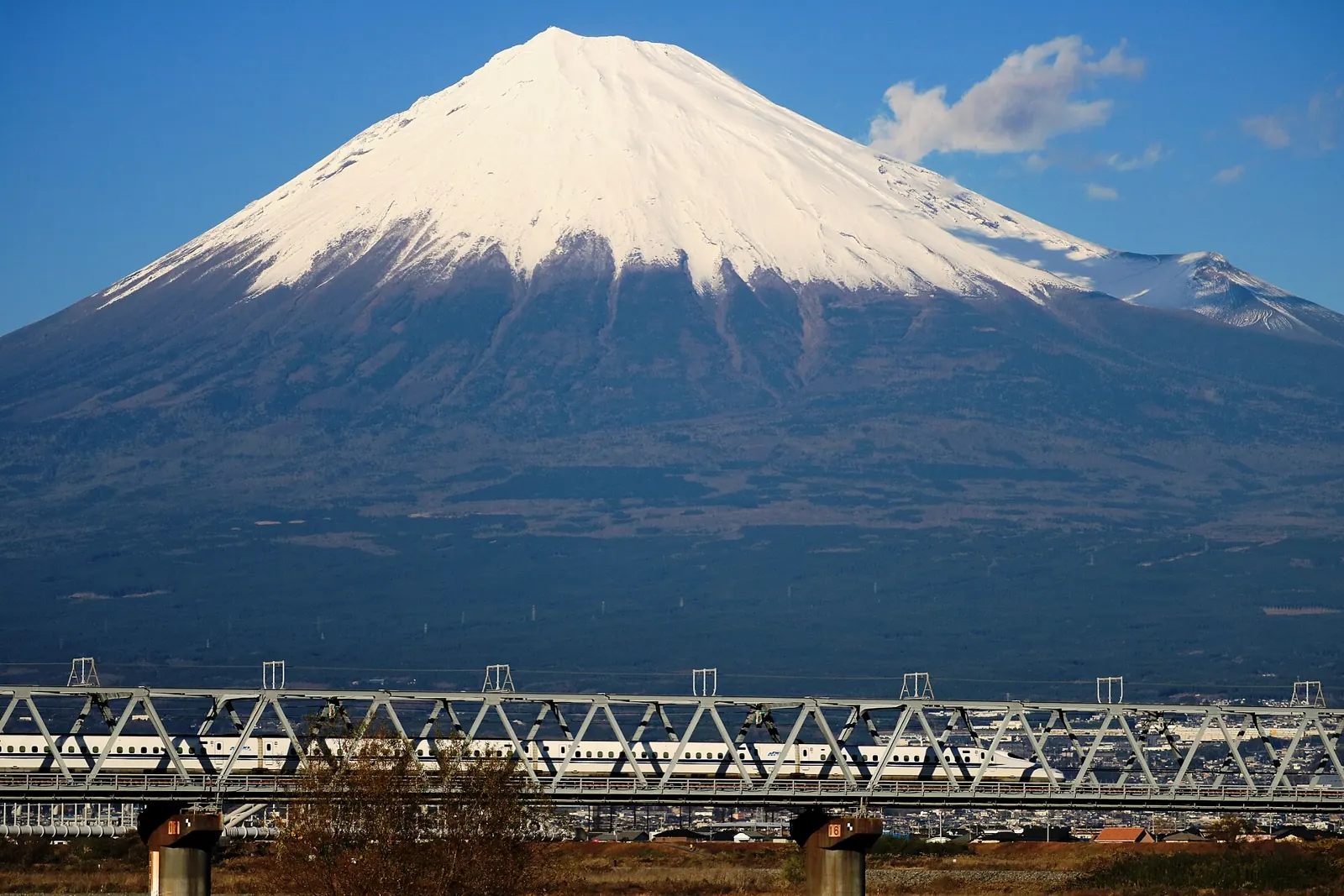
Japan's Shinkansen, opened on 1 October 1964, proved that dedicated high-speed lines could beat planes on busy intercity routes, and it set a global benchmark for punctuality and safety: JR Central reports no passenger fatalities or injuries from train accidents on the Tokaido line since opening. Its success inspired France's TGV and high-speed networks from Spain to China, and now India.
On 1 October 1964, just days before the Tokyo Olympics opened, the first Tokaido Shinkansen left Tokyo for Osaka. It cut a journey of more than six hours to about four, and soon after to just over three. By its 60th anniversary in October 2024, the Tokaido line alone had carried about 7 billion passengers (The Japan News).
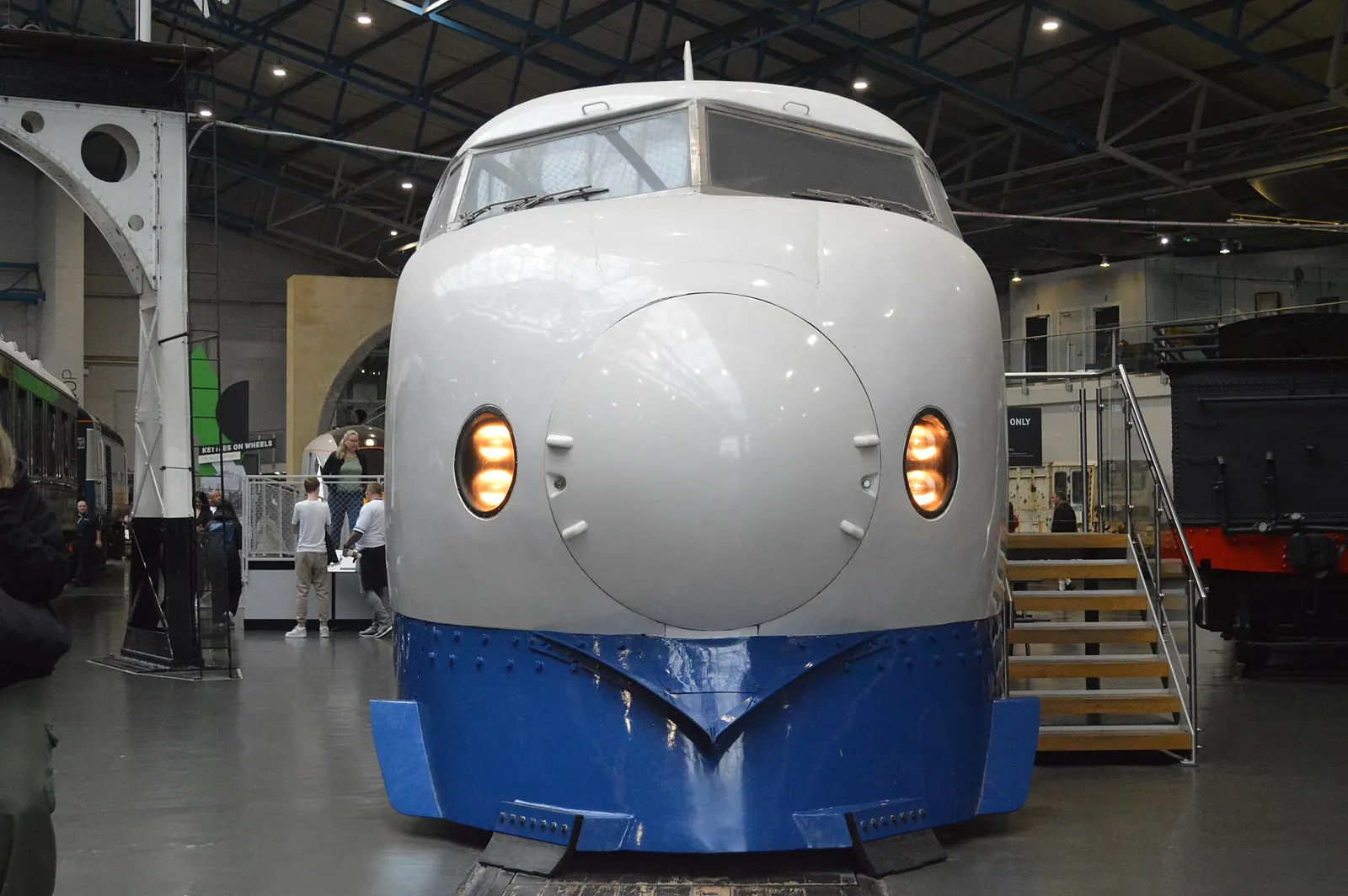
The first trains, the rounded 0 Series, ran at up to 210 km/h, a world record for regular passenger service at the time. Japan built the line in about five years, partly financed by a World Bank loan, and timed its opening to show the country's post-war recovery to the visitors arriving for the Olympics.
Punctuality as a national craft
JR Central reports that the Tokaido Shinkansen's average delay in fiscal year 2024 was 1.4 minutes per train, and that figure includes delays caused by natural disasters such as typhoons and heavy snow (JR Central fact sheet). The secret is less about speed than about systems: dedicated tracks with no level crossings, meticulous maintenance done overnight, and station crews who turn a train around in roughly seven minutes. Cleaning teams on the Tokaido line have become a tourist attraction in their own right.
A safety record few can match
JR Central states that the Tokaido Shinkansen has had no train accidents resulting in passenger fatalities or injuries on board since it opened in 1964 (JR Central). Earthquake detection systems can cut power to trains within seconds of the first tremor, braking them before the strongest shaking arrives.
The ripple effect
The Shinkansen proved that rail could beat air travel on routes of roughly 300 to 800 kilometres. France followed with the TGV in 1981, then came Spain's AVE, Germany's ICE and, most dramatically, China, which built the world's largest high-speed network in barely 15 years. Today Tokyo to Osaka trains depart as often as every few minutes at peak times, and planes on the route have a hard time competing.
The Tokaido line in numbers
The original route is still the busiest. JR Central's figures for fiscal year 2024 give a sense of the scale (JR Central):
| Measure | Tokaido Shinkansen (FY2024) |
|---|---|
| Trains per day | 383 |
| Passengers per day | about 460,000 |
| Seats per 16-car train | 1,318 |
| Top speed | 285 km/h |
| Fastest Tokyo to Shin-Osaka | 2 hours 21 minutes |
| Average delay | 1.4 minutes per train, including natural disasters |
Since 2020, the timetable has allowed up to 12 Nozomi trains an hour in each direction at peak times, roughly one every five minutes. Between the Tokyo and Osaka areas, JR Central estimates the Shinkansen offers around ten times as many daily seats as the airlines.
India's bullet train: the Mumbai to Ahmedabad line
The Shinkansen's most direct descendant outside Japan is being built in India. The Mumbai–Ahmedabad High-Speed Rail (MAHSR) corridor is a 508-kilometre line through Maharashtra, Gujarat and Dadra and Nagar Haveli, built with Japanese assistance and Shinkansen technology and designed for speeds of up to 320 km/h (ETInfra).
Where things stand in 2026:
- Railway Minister Ashwini Vaishnaw said in mid-2026 that the project was about 80% complete (The Economic Times).
- The first section to open will be the roughly 47-kilometre Surat to Bilimora stretch in Gujarat, with the government targeting 15 August 2027, India's Independence Day (NDTV).
- After that, the line is due to open in phases: Vapi to Surat, then Vapi to Ahmedabad, then Thane to Ahmedabad, and finally the full Mumbai to Ahmedabad route (The Economic Times).
- In September 2026 the minister said the first coach built for testing was ready and that civil construction on the Vapi to Surat section was expected to finish by December (ETInfra).
More than 85% of the corridor runs on elevated viaducts, an approach that, like Japan's dedicated tracks, keeps high-speed trains away from level crossings, people and cattle. The project has been slower than first planned, mainly because of land acquisition, but if the phased openings stay on schedule, India will become the latest country to prove the 1964 idea: on busy routes of a few hundred kilometres, a fast, frequent train can beat the plane.
Why the model travels so well
The Shinkansen's lessons apply far beyond Japan. High-speed rail works best between large cities roughly 300 to 800 kilometres apart, where trains can beat flights door to door because stations sit in city centres and boarding takes minutes. It needs its own tracks, because mixing 300 km/h trains with slow freight destroys both speed and punctuality. And it rewards dense, walkable cities, where most passengers arrive on foot or by metro rather than by car.
Tips for riding it
- Rail passes have risen in price, so compare against individual tickets for shorter trips.
- Seat E on the Tokyo to Osaka run (heading west) gives the classic view of Mount Fuji on a clear day.
- Grab an ekiben, a station bento, before boarding. Eating one on the train is part of the experience.
What comes next
The Chuo Shinkansen maglev, designed to run at around 500 km/h, will eventually link Tokyo and Nagoya in roughly 40 minutes. JR Central describes it partly as a bypass for the Tokaido line in case of a major earthquake. Construction has faced long delays, and the original 2027 opening target has been abandoned, but the ambition is unmistakably Japanese: keep raising the bar for what a train can be.
Japanese engineering has shaped daily life in quieter ways too: the QR code was invented at a Toyota-group company to track car parts. And because every Shinkansen journey begins and ends at a city-centre station, it also depends on a far older form of transport: walking.