What Is Public Interest Litigation?
Public interest litigation is the route India's Supreme Court and High Courts opened so that a letter, a postcard or a petition from someone with no personal stake can still force the state to answer for undertrial prisoners, bonded labour, polluted rivers and unsafe workplaces.
 By Kirti Kaliraman· 6 min read
Public interest litigation (PIL) is a court proceeding in which a person or organisation, acting in good faith and without needing a personal legal injury, asks a High Court or the Supreme Court of India to enforce a constitutional or legal right for people who cannot easily reach the courts themselves. In India it grew out of a deliberate relaxation of locus standi in the late 1970s and early 1980s, when judges began treating letters and even postcards as writ petitions, a practice often called epistolary jurisdiction.
The constitutional door is Article 32 of the Constitution of India, which guarantees the right to move the Supreme Court for enforcement of Part III fundamental rights and empowers the Court to issue writs including habeas corpus, mandamus, prohibition, quo warranto and certiorari. Article 226 gives every High Court a wider power: writs for fundamental rights and for any other purpose. PIL sits on those two articles. This is not legal advice; it is an account of how the doctrine developed and how courts now police its use.
Who can file, and why standing was relaxed
Ordinary private litigation insists that only a person who has suffered a legal injury may sue. PIL breaks that mould. In S.P. Gupta v. Union of India (30 December 1981, the Judges' Transfer case), Justice P.N. Bhagwati held that where a legal wrong is done to a person or class who, by poverty, helplessness or social disadvantage, cannot approach the court, any member of the public can seek redress under Article 226, and under Article 32 where a fundamental right is breached. The Court said it would "readily respond even to a letter addressed by such individual acting pro bono publico," because procedure is "but a handmaiden of justice."
That letter-as-petition practice is epistolary jurisdiction. Standing, the Court stressed, is for someone acting bona fide with sufficient interest, not a "mere busy-body or a meddlesome interloper." Bhagwati also quoted Justice V.R. Krishna Iyer: law is a "social auditor" that needs someone with real public interest to ignite the jurisdiction. Together, Bhagwati and Krishna Iyer shaped the first wave of Indian PIL after the Emergency, when courts were looking for ways to make fundamental rights usable by people who would never reach a lawyer on their own.
Origins: undertrials, standing and bonded labour
The modern phase began soon after the Emergency. On 12 February 1979, in Hussainara Khatoon v. Home Secretary, State of Bihar, a Bhagwati bench treated a habeas corpus petition about men, women and children who had spent years in Bihar jails awaiting trial. A procedure that keeps people behind bars for long without trial, it held, cannot be "reasonable, just or fair" under Article 21; speedy trial is implicit in that article; undertrials were directed to be released on personal bond. The case remains the bridge between habeas corpus and broader public-interest enforcement of liberty.
S.P. Gupta then turned standing into doctrine for public law. On 16 December 1983, in Bandhua Mukti Morcha v. Union of India (reported as 1984 AIR 802), the Court treated a letter about bonded labourers in Faridabad stone quarries as an Article 32 writ, appointed inquiry commissions, and held that Article 21 includes the right to live with human dignity free from exploitation. The state was bound to enforce labour and social-welfare laws for such workers. PIL had moved from emptying an illegal cell to supervising how statutes for the poorest are actually run.
Landmark PILs that reshaped daily life
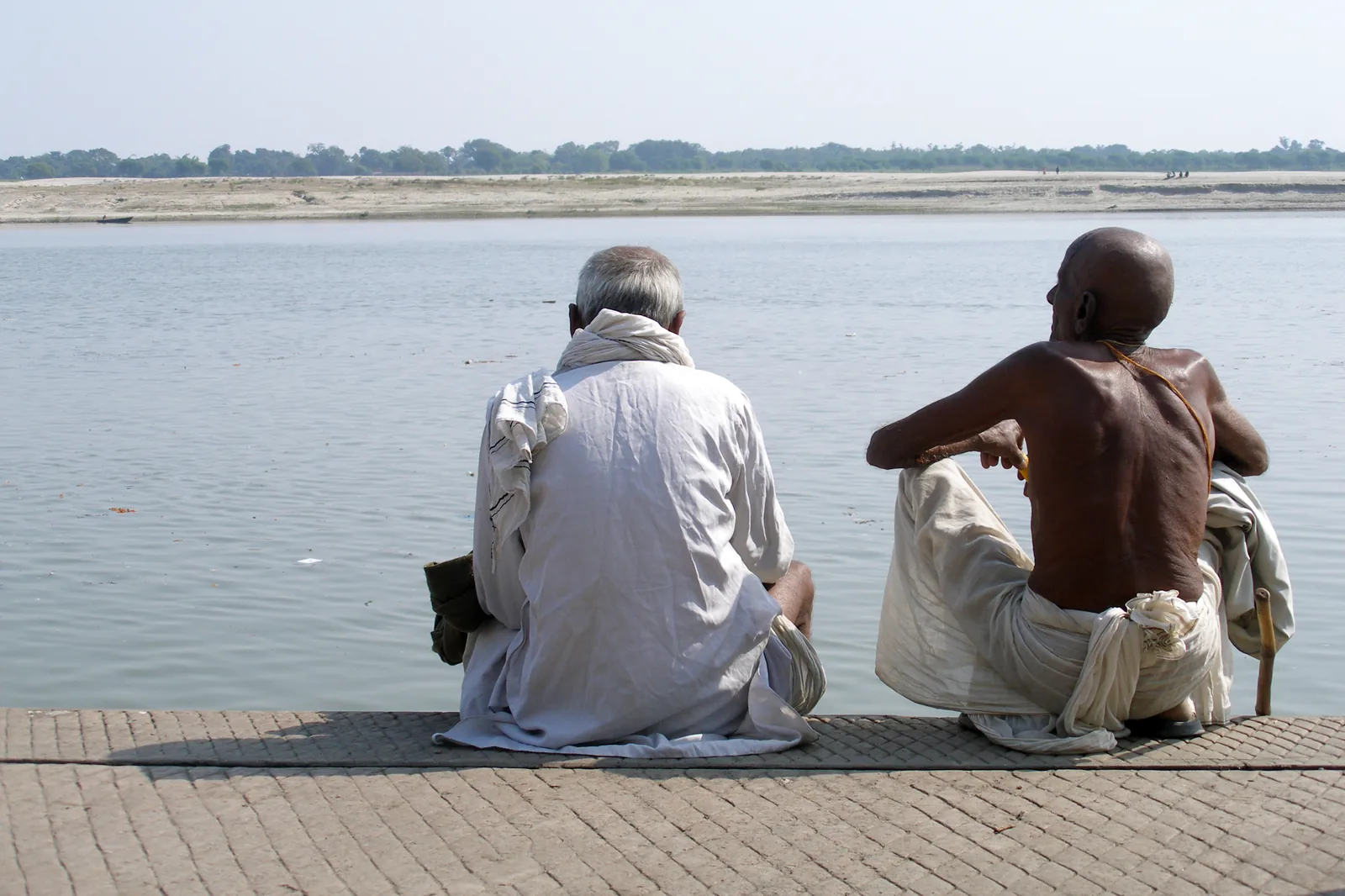
The Ganga. M.C. Mehta's petitions against river pollution produced a series of Supreme Court orders. In the 22 September 1987 tannery judgement, the Court treated the petition as a representative action, invoked Articles 48A and 51A of the Constitution, and directed Kanpur tanneries discharging untreated effluent toward the Ganga to install primary treatment plants or face closure. A 12 January 1988 order pressed municipal responsibility for sewage and pollution control in Kanpur, holding that a person interested in protecting people who use Ganga water could maintain the petition as public interest litigation.
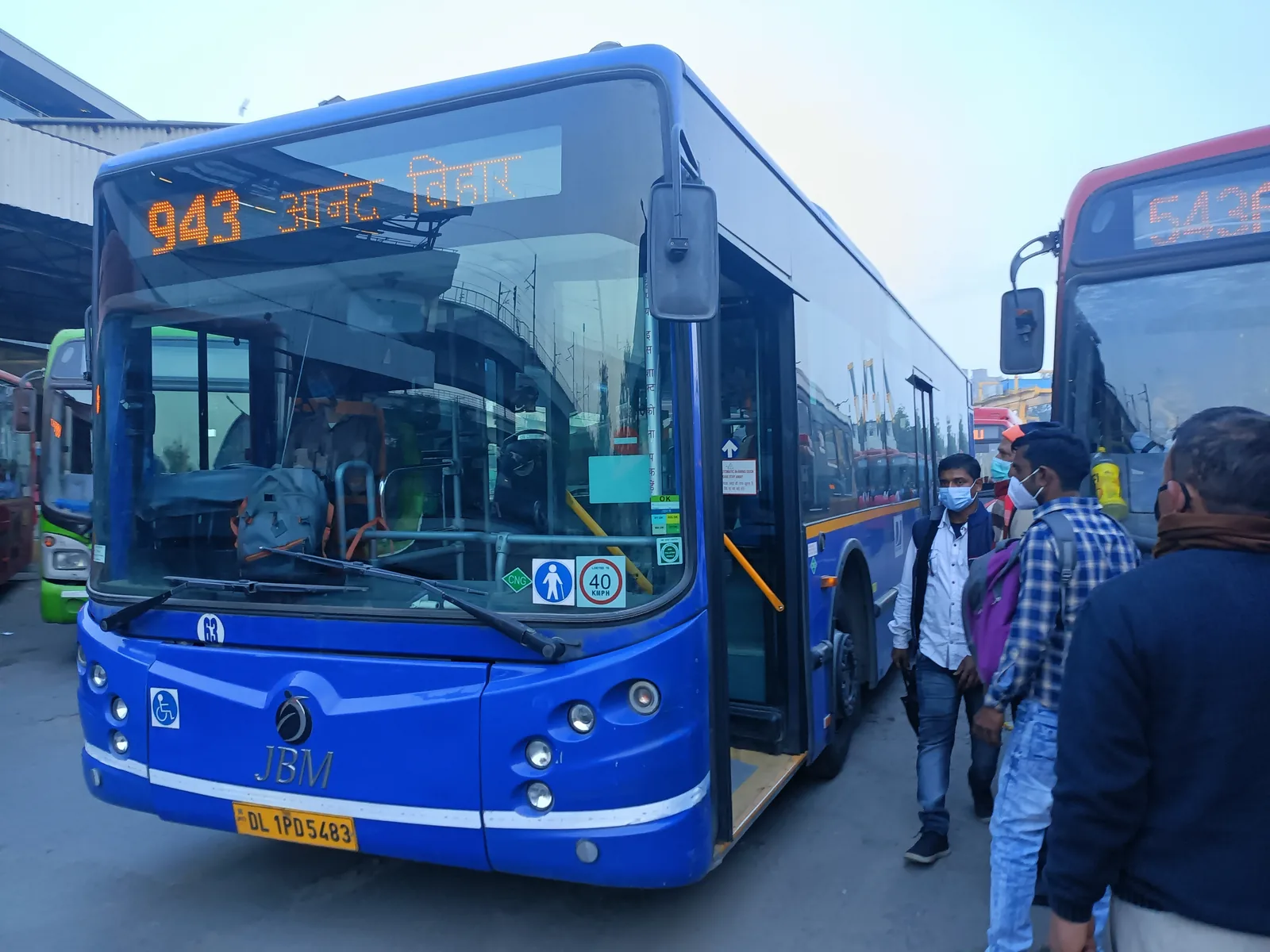
Delhi's buses and CNG. The M.C. Mehta air-pollution litigation (Writ Petition (Civil) No. 13029 of 1985) produced 28 July 1998 directions to convert Delhi's city bus fleet to single-fuel CNG. The Court's 5 April 2002 judgement refused to dilute those directions, recorded that the Bhure Lal Committee's CNG recommendations had been accepted in 1998, and pressed conversion and CNG supply for transport.
Workplace sexual harassment. On 13 August 1997, in Vishaka v. State of Rajasthan, Chief Justice J.S. Verma's bench treated a petition by activists and NGOs as a class action under Article 32 after a gang rape of a social worker in Rajasthan. With no adequate domestic law, the Court laid down binding workplace guidelines until Parliament acted, treating them as law declared under Article 141. Those guidelines informed the Sexual Harassment of Women at Workplace (Prevention, Prohibition and Redressal) Act, 2013 (Act No. 14 of 2013), the POSH Act.
PIL also sits beside later privacy case law such as Puttaswamy, where the Court again used constitutional adjudication to define rights the text does not spell out in detail.
Criticism, abuse and the 2010 guidelines
Success invited abuse: petitions filed for publicity, private grudges or commercial advantage. Critics also charge judicial overreach when courts issue detailed directions that look like executive policy.
On 18 January 2010, in State of Uttaranchal v. Balwant Singh Chaufal, the Court allowed the state's appeals against a High Court PIL that had challenged an Advocate General's appointment on a settled age point the petitioners then abandoned. It called the petition an abuse of process, imposed costs of Rs 1,00,000, and set eight guidelines: encourage genuine PIL and curb petitions filed for extraneous reasons; ask each High Court to frame PIL rules; verify the petitioner's credentials; check the petition's correctness; insist on substantial public interest; prioritise urgent public-harm cases; ensure no personal or oblique motive; and discourage busybodies with exemplary costs. High Courts answered with formal rules; the Delhi High Court's PIL Rules, 2010 expressly cite that order and define letter petitions, format and the power to impose costs.
PIL and class actions abroad
American class actions under Federal Rule of Civil Procedure 23 aggregate private claims that share common questions, after strict certification tests. Indian PIL is different: it is usually a writ against the state, standing is opened for bona fide public-spirited petitioners, and the remedy is often continuing mandamus or guidelines rather than damages for a certified class. S.P. Gupta noted comparative roots for the idea, but India's version was rebuilt around Articles 32 and 226.
How a PIL is filed in practice
In outline:
- Choose the forum. Article 32 in the Supreme Court when a fundamental right and national stakes justify it; otherwise Article 226 in the High Court with territorial nexus, often the better first stop.
- Show public interest, not a private dispute. Courts expect a clear public injury, supporting documents, and a petitioner whose credentials survive prima facie scrutiny under Balwant Singh Chaufal.
- Follow the court's PIL procedure. Letter petitions may still be screened, but serious matters are usually regular writ petitions with an affidavit. High Court rules (such as Delhi's) set format and disclosure duties.
- Expect costs if the petition is frivolous. The 2010 judgement treats exemplary costs as a standard deterrent.
PIL remains a sharp instrument of Indian constitutional practice: a path from a postcard about a jail or a quarry to orders that changed fuel policy, river regulation and workplace law. Its power still turns on what Bhagwati required in 1981: a real public injury, good faith, and courts willing both to open the door and to shut it on those who waste it.